
Hornstedtia scyphifera
Hornstedtia scyphifera
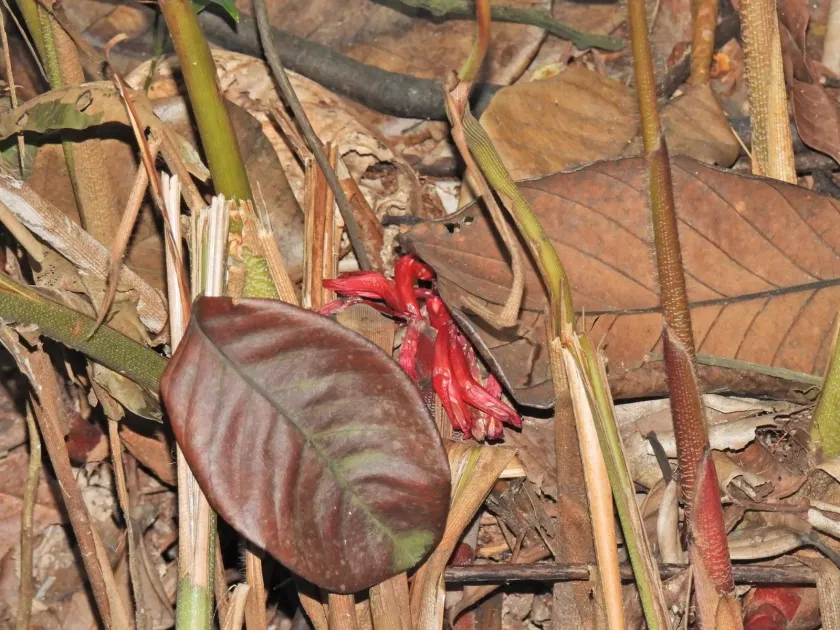
Description
Growing requirements
Hornstedtia scyphifera is a perennial herbaceous plant belonging to the Zingiberaceae family. In its natural habitat, it develops vigorous rhizomes and tall stems, sharing morphological traits with other wild ginger species. It is highly regarded for its biological properties and unique floral architecture.
Native to the tropical rainforests of Southeast Asia, including Malaysia and Indonesia, this species thrives in high-humidity environments. Under cultivation, it requires strictly controlled conditions, often necessitating greenhouse or conservatory environments in non-tropical regions to mimic its native climate.
Successful development of this culture relies on fertile, well-aerated soils rich in organic matter, maintaining a neutral to slightly acidic pH level. Proper drainage is mandatory, as waterlogged conditions quickly lead to rhizome rot, which is the most common cause of crop loss in professional cultivation.
The plant prefers filtered light, as direct, harsh sunlight can damage its broad leaves. Throughout the vegetative stage, maintaining an ambient temperature between +22 and +28 degrees Celsius is crucial to ensure steady growth and the production of healthy, mature rhizomes.
The primary economic use of Hornstedtia scyphifera lies in the pharmaceutical and wellness sectors. The plant's essential oils and extracts, derived from its rhizomes, contain specific terpenes and phenolic components known for their anti-inflammatory and antiseptic pharmacological properties.
Main diseases and pests
Major phytopathological threats include fungal infections such as Fusarium and Phytophthora, which typically develop under poor ventilation and excessive moisture. Strict adherence to irrigation schedules and soil hygiene is the most effective strategy for disease prevention in this crop.
Common pests affecting this species include spider mites and scale insects, which proliferate rapidly in low-humidity settings. Effective management involves regular monitoring of the foliage and the application of targeted acaricides or insecticides when infestation thresholds are exceeded.