
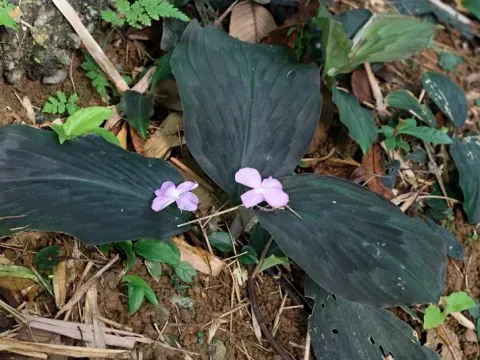
Kaempferia
Kaempferia L.
Kaempferia is a genus of perennial herbaceous plants belonging to the Zingiberaceae family. These plants are native to tropical regions of Southeast Asia, thriving in the warm, humid environments of tropical forests.
What the section contains

Kaempferia
The culture requires tropical climate conditions, with optimal growth occurring at temperatures between 22°C and 30°C. They are highly intolerant to frost and cold drafts, making them suitable for controlled environments or greenhouses in temperate zones.
Soil requirements are strict: the plants need a well-draining, nutrient-rich, and slightly acidic soil substrate. A heavy, waterlogged soil will inevitably cause the rhizomes to rot, leading to plant failure.
Light intensity should be moderate. In their natural habitat, Kaempferia species are forest-floor dwellers that prefer filtered or diffused light. Direct exposure to intense sunlight can bleach or scorch the foliage.
Adequate water supply is crucial during the growing season. However, once the plant enters its natural dormancy period and the foliage dies back, irrigation must be drastically reduced to allow the rhizomes to rest.
Harvesting of Kaempferia rhizomes occurs when the aerial parts of the plant wither, signaling that the growth cycle has ended. This stage is typically marked by the natural dormancy of the rhizome.
The rhizomes are carefully unearthed, ensuring that the clusters are not broken or wounded. Minimal damage to the surface of the rhizome is necessary to maintain quality during storage and prevent the spread of fungal diseases.
Post-harvest handling involves thorough cleaning and removal of lateral roots. The clean rhizomes are then assessed for size and health, with the healthiest specimens often set aside for propagation in the following cycle.
Drying the harvested material requires a clean, well-ventilated space shielded from direct sunlight to preserve the volatile essential oils that give the plant its characteristic aroma and medicinal value.
Once dried, the crop is ready for the market, where it is utilized for culinary purposes, traditional medicine, and the extraction of plant compounds for various industrial applications.