
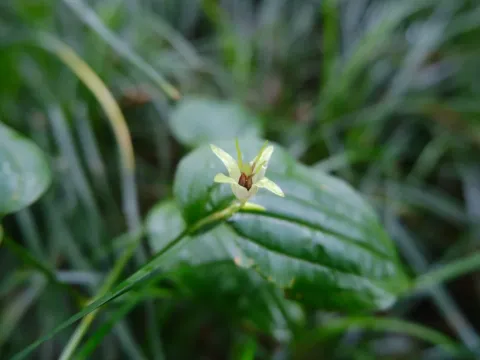
Stemona
Stemona Lour.
The propagation of Stemona is most commonly performed vegetatively by dividing the rhizomes during the spring when the soil reaches optimal temperatures.
What the section contains


Stemona
Seed propagation requires stratification, as natural germination is often delayed. Seeds should be sown in a loose, well-draining substrate, ensuring stable humidity levels.
For large-scale production, it is essential to follow a planting layout that allows the rhizomes to develop fully over several years before harvesting.
Planting material preparation should be carried out in advance, selecting only the most developed root fragments without signs of decay or damage.
The optimal time for planting in temperate climates is mid-spring, once the risk of frost has passed to prevent damage to young shoots.
Stemona belongs to the Stemonaceae family and naturally prefers the humid, forested regions of Southeast Asia, China, and Australia.
Successful growth requires fertile, well-drained loamy soils with a neutral to slightly acidic pH level.
This plant is shade-tolerant, making it important to avoid direct midday sun, which can cause leaf scorch and dehydration.
Soil moisture must be kept consistently high, but waterlogging must be avoided to prevent root rot and other fungal diseases.
Annual application of organic fertilizers during the active growing season is recommended to maintain biomass quality.
The agricultural use of Stemona focuses on the harvest of its fleshy root tubers, which possess significant biological value.
Yield depends heavily on the age of the plant, with the highest concentration of active alkaloids occurring by the third or fourth year of growth.
With proper agronomic practices, significant volumes of raw material can be obtained for the pharmaceutical industry per hectare.
Stemona rhizomes are utilized in traditional medicine as effective antitussive and insecticidal agents, driving market demand.
Product standardization requires careful monitoring of alkaloid content, tying harvest dates strictly to the plant's phenological stages.
The most serious threats to Stemona include soil-borne pathogens that cause fusarium wilt and various forms of root rot.
The aerial parts of the plant may be susceptible to leaf-eating insects, especially in humid and densely planted areas.
Slugs and snails often attack young shoots early in the growing season, necessitating physical barriers or biological pest control methods.
Disease prevention involves regular weeding, soil aeration, and maintaining proper water management to prevent oversaturation.
In cases of severe pest infestation, the use of mild biopesticides is recommended to preserve the quality of the medicinal product.
Harvesting Stemona rhizomes occurs in autumn when the aerial parts begin to yellow and die back, signaling that nutrients have stored in the roots.
The roots are carefully extracted from the soil, cleaned, and rinsed with water to remove all debris and impurities.
After primary processing, the raw material is dried at controlled temperatures to prevent the degradation of medicinal alkaloids.
Properly dried roots should remain firm and exhibit the color and aroma typical of pharmacopoeial standards for this species.
Once dried, the final product is stored in ventilated containers in a cool, dark, and dry environment to preserve its therapeutic properties.