
Stemona tuberosa
Stemona tuberosa Lour.
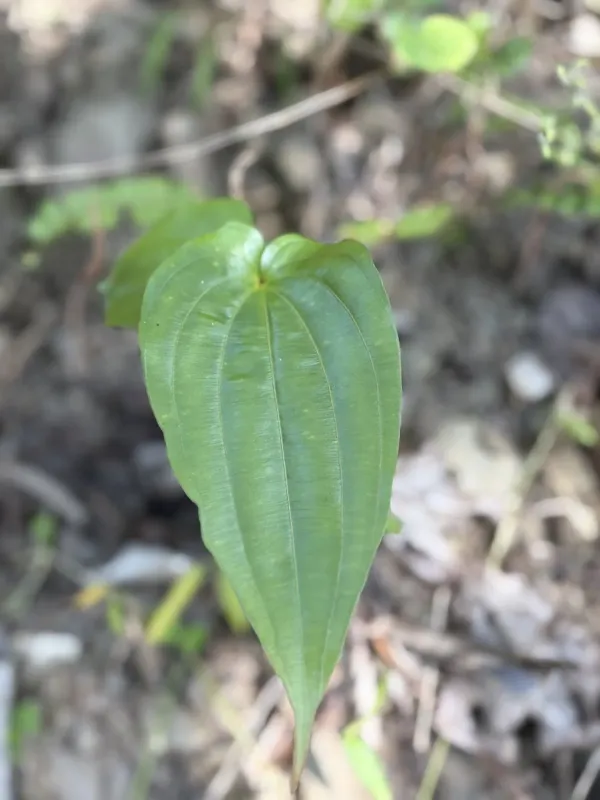
Description
Sowing dates
Stemona tuberosa is typically propagated through seeds or the division of rhizomes, which requires careful preparation of the growing site and specific soil conditions.
Sowing should be done in early spring once the soil temperature is sufficiently warm to encourage rapid germination and early root development.
Stratification of seeds is a recommended practice to break dormancy, ensuring a higher rate of successful germination across the planting area.
Seeds should be planted at a shallow depth to allow for optimal access to light and oxygen, which are critical for the initial growth stages of the plant.
When starting in greenhouses, it is important to maintain consistent temperature levels to prevent seedling stress and ensure strong plant development before transplanting.
Growing requirements
The plant thrives in well-drained, fertile soil, which is essential to prevent waterlogging and protect the sensitive tuberous roots from rotting.
Stemona tuberosa prefers a sunny location but can tolerate partial shade, which is often beneficial during the hottest parts of the summer to preserve moisture.
Climatic requirements are linked to its tropical origins; therefore, stable temperatures and protection from harsh frost are necessary for long-term health.
Fertilization with organic matter and balanced NPK nutrients supports vigorous growth and the development of high-quality medicinal roots.
Effective irrigation management is crucial during dry periods to ensure the plant maintains its metabolic activity without suffering from drought stress.
Yield
Yield estimation for Stemona tuberosa focuses on the total mass and chemical quality of the harvested tuberous roots, which are the primary economic products.
Maximum root maturity and alkaloid accumulation are generally achieved after 3 to 4 years of cultivation, marking the ideal time for harvesting.
Agricultural productivity can be significantly improved by maintaining optimal plant density and ensuring proper spacing for maximum root expansion.
Poor yield outcomes are often linked to improper soil management or harvesting too early, before the plant has finished its nutrient storage cycle.
Maintaining high standards of agronomic practices throughout the growth period directly correlates with the final quality and marketability of the medicinal harvest.
Main diseases and pests
Fungal diseases affecting the roots are the most significant threat to the crop, often exacerbated by poor drainage and excessive soil humidity.
Nematodes are common soil pests that can severely damage the tubers, making soil monitoring and preventative treatment essential for crop security.
Aphids may infest the foliage during the vegetative stage, and their presence should be addressed promptly with biological control measures to prevent stress.
Crop rotation is a key strategy for reducing the presence of pathogens in the soil, which helps to ensure the long-term sustainability of the plantation.
Healthy plants grown in optimal conditions show greater natural resistance to common threats compared to those struggling with nutritional or water deficiencies.
Harvesting
Harvesting is performed in late autumn as the aerial parts of the plant begin to senescence, indicating that nutrients have migrated into the roots.
Careful excavation is necessary to ensure that roots are removed intact, avoiding mechanical damage that could lead to post-harvest decay.
After removal, roots are cleaned, sorted, and prepared for processing by removing any debris or damaged sections that do not meet quality standards.
Drying must be performed under strictly controlled conditions to preserve the integrity of the bioactive compounds found within the tuberous roots.
Proper storage in dry, cool, and well-ventilated conditions is required to maintain product quality until it is processed into final medical or cosmetic formulations.