
Japanese stemona
Stemona japonica (Blume) Miq.
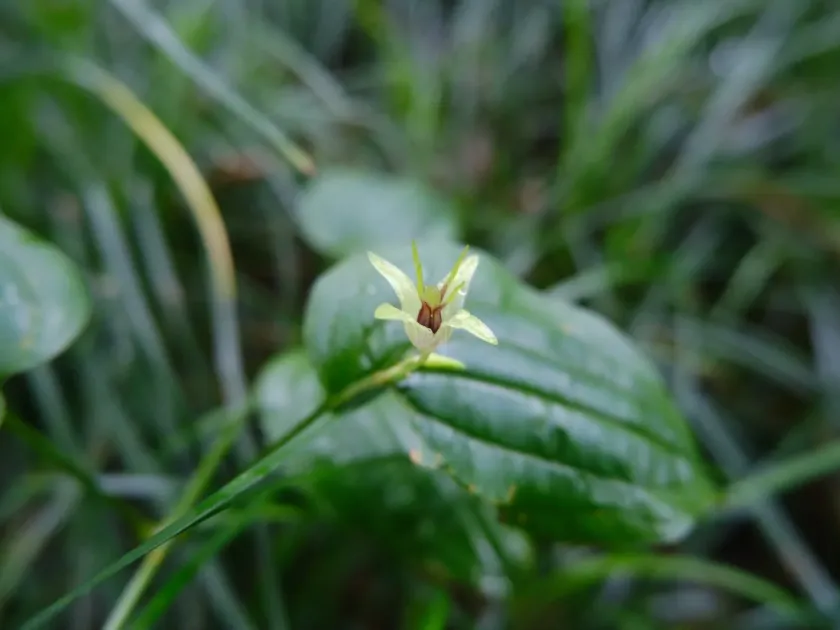
Description
Sowing dates
Japanese stemona is a perennial herbaceous plant typically propagated by seeds during the spring season when soil temperatures stabilize at 15–18 degrees Celsius.
To maximize germination rates, seeds often require a pre-sowing stratification process in a cool, moist medium for approximately 60 days to break dormancy effectively.
In nursery settings, seeds are sown in a light, well-draining substrate and kept under consistent conditions until they develop sufficient root and leaf mass for transplantation.
Once the risk of frost has passed, usually by late spring, young plants are transferred to the open field at specific spacing to ensure optimal growth and air circulation.
Vegetative propagation via root division in the autumn is also a viable and often more consistent method for commercial production, ensuring the stability of the plant's medicinal quality.
Growing requirements
The plant thrives in semi-shaded environments, mimicking its natural habitat in forest understories, where it is shielded from intense, direct sunlight during the hottest periods of the day.
Japanese stemona requires loose, fertile soil rich in organic matter, coupled with excellent drainage to prevent the accumulation of water, which is detrimental to its fleshy root tubers.
This species prefers a moderate, humid climate and is sensitive to extreme fluctuations in temperature, requiring consistent moisture levels especially during the initial growing season.
The ideal soil pH for this culture is slightly acidic to neutral, which ensures optimal nutrient uptake and promotes vigorous development of the root system throughout the year.
Regular irrigation is essential during dry spells, but it must be managed carefully to maintain adequate soil moisture without causing waterlogging, which often leads to root decay.
Yield
The primary economic value of Japanese stemona lies in its tuberous roots, which are harvested for their high concentration of alkaloids used in traditional and modern medicinal preparations.
Yield productivity is closely tied to the age of the plantation, with the root tubers typically reaching their peak chemical maturity after three to four years of cultivation.
A well-maintained field can produce a high volume of quality raw material, provided that the growing conditions and nutrient levels have been carefully managed over the crop's lifecycle.
The pharmaceutical quality of the roots is determined by the specific concentration of active compounds such as stemonine, which are critical for the plant's therapeutic efficacy.
Effective post-harvest processing is vital to maintain the integrity of these compounds, ensuring that the final product meets the standards required for pharmacological manufacturing.
Main diseases and pests
Fungal diseases affecting the root system represent the most significant threat to the culture, usually triggered by poor soil aeration and excessive water retention in the substrate.
Root-knot nematodes are among the most harmful pests for this crop, as they infest the tubers and significantly degrade both the appearance and the pharmacological value of the raw material.
Leaf-feeding insects, including various types of aphids, may occur during the warmer months, necessitating integrated pest management strategies to protect the plant's photosynthetic capacity.
Preventative measures, such as strict crop rotation and the selection of disease-free planting material, are essential to avoid the buildup of soil-borne pathogens on the farm.
Regular monitoring of the plantation allows for early detection of potential threats, enabling targeted and safe interventions that protect the crop without compromising its medicinal purity.
Harvesting
Harvesting usually takes place in late autumn when the aerial parts of the plant begin to yellow and die back, signaling that the roots have reached their maximum storage of nutrients.
The root tubers are carefully unearthed using mechanized harvesters or manual tools, ensuring minimal damage to the fragile tissues, as broken roots can become susceptible to spoilage.
After extraction, the roots are thoroughly cleaned of soil and debris, and lateral rootlets are removed, as only the main tubers hold the desired pharmaceutical components.
Primary processing involves a quick blanching or steaming step to deactivate enzymes, preventing the discoloration of the roots and ensuring the preservation of key active ingredients.
The final stage is the drying process, conducted in controlled environments or shaded structures to achieve the optimal moisture content required for safe storage and market distribution.