
Victoria amazonica
Victoria amazonica
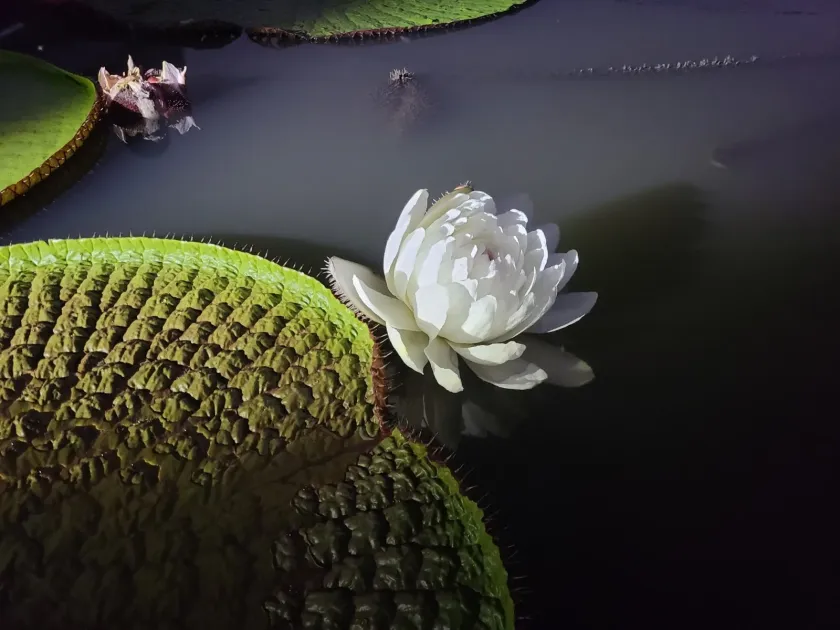
Description
Sowing dates
The seeds of Victoria amazonica possess a very short viability period and must be sown immediately after harvesting to ensure successful germination.
Seeds should be kept in water at a constant temperature ranging from +28 to +32 degrees Celsius to trigger the growth cycle efficiently.
The optimal sowing period is late winter, allowing the plant enough time to establish itself before the peak of the growing season.
Once the initial submerged leaves appear, seedlings must be carefully transplanted into larger containers with deep, rich aquatic soil.
Maintaining a steady flow of fresh, warm water is essential to prevent seedling rot and encourage robust primary root development.
Growing requirements
Belonging to the Nymphaeaceae family, this species requires a strictly tropical climate with water temperatures consistently above +25°C.
Victoria amazonica is famous for its massive leaves that can reach up to 2 meters in diameter, demanding vast pool space for proper expansion.
The substrate must be highly fertile, consisting of a heavy clay base amended with well-decomposed organic manure and essential micronutrients.
High-intensity light is non-negotiable; in greenhouses, additional artificial lighting is often required to sustain the plant's massive metabolic rate.
Stable water chemistry and depth are crucial, as the plant reacts sensitively to rapid fluctuations in nitrogen levels or significant changes in water quality.
Main diseases and pests
Aphids are the most common pest, frequently attacking the undersides of the giant leaves and the tender flower stalks during the warm season.
Fungal pathogens such as leaf spot and various root rots can occur if the water circulation is poor or if the air becomes too stagnant.
Snails often graze on the young, developing foliage, causing significant cosmetic damage and potential entry points for bacterial infections.
Algal blooms in the cultivation pond can compete for nutrients and light, necessitating regular cleaning and monitoring of the water environment.
Effective management involves integrated pest control, ensuring that predatory insects or manual removal are used instead of harsh chemicals that could pollute the pool.