
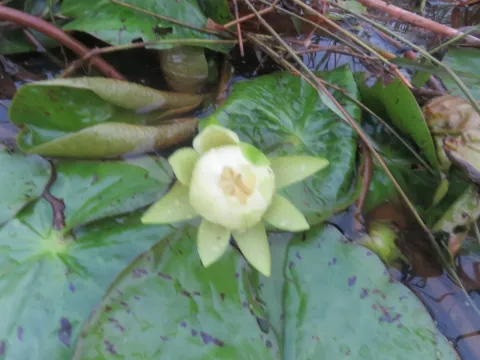
Amazon water lily
Nymphaea amazonum
Propagation of Nymphaea amazonum is primarily achieved through rhizome division. This method ensures that the new plants retain the specific characteristics of the parent specimen and adapt faster to the aquatic environment.
What the section contains
Amazon water lily
For seed propagation, specialized containers with warm water are used. The seeds require consistent lighting and temperatures above 25 degrees Celsius to trigger the germination process successfully.
When planting, it is crucial to use a heavy, nutrient-rich soil mixture anchored with clay to prevent it from floating away. Placing the plant in a mesh container allows the root system to expand while keeping the plant contained within its designated area.
The depth of the planting depends on the light penetration. Initially, it is recommended to keep the containers at a shallower depth to encourage rapid leaf development before moving them to deeper sections.
Artificial lighting in indoor ponds can sustain growth throughout the year. Providing a 12-hour light cycle is essential to mimic the tropical conditions of the Amazon basin and ensure continuous flowering.
The Amazon water lily is a member of the Nymphaeaceae family, originating from the tropical wetlands of South America. It is a highly sensitive plant that requires specific environmental conditions to thrive.
Temperature management is the most critical aspect of its care. The water must remain consistently warm, between 24 and 30 degrees Celsius, to prevent the plant from entering a dormant state or suffering irreversible damage.
Soil quality is vital for this aquatic species. A substrate composed of organic-rich compost and clay provides the necessary minerals for vigorous growth. Supplementing with aquatic plant fertilizer tablets is recommended periodically.
High light intensity is required for the development of both the floating leaves and the flowers. Without adequate light, the plant will show signs of etiolation and struggle to produce buds.
The plant performs best in still or very slow-moving water. Excessive currents can damage the delicate floating leaves and disrupt the plant's ability to maintain its position on the water surface.
Water lily beetles and aphids represent the most significant pest threats to this plant. They target the foliage, causing holes and yellowing, which significantly impacts the plant's ability to photosynthesize.
Fungal infections, often manifested as leaf spots, are typically exacerbated by poor air circulation and high humidity levels. Removing affected leaves immediately is the primary method of control.
Algal blooms can stifle the growth of the water lily by blocking light and consuming dissolved oxygen. Maintaining a balanced ecosystem with appropriate filtration is key to preventing these issues.
Root rot caused by stagnant, nutrient-overloaded soil can lead to the sudden death of the plant. Ensuring the substrate has some aeration and using proper planting containers can mitigate this risk.
Snails and other aquatic invertebrates may occasionally feed on young, succulent shoots. In controlled settings, monitoring the snail population is necessary to protect the plant's structural integrity.