
Giant water lily
Nymphaea gigantea
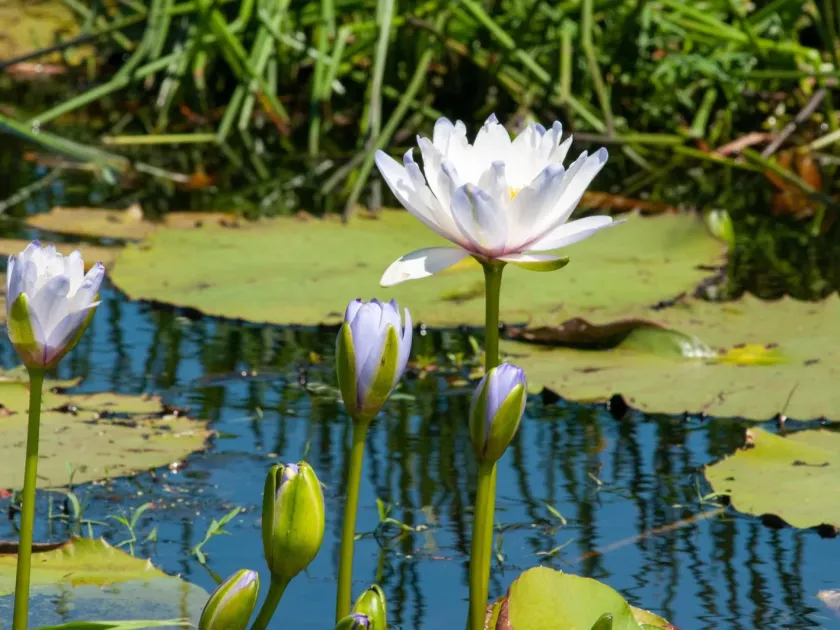
Description
Sowing dates
Propagation of Nymphaea gigantea is primarily achieved through seed germination or division of the rhizomes. Seeds should be sown in early spring, ideally in containers filled with a nutrient-rich loamy soil, submerged in water at a constant temperature of 22–25°C.
The seeds require significant light exposure to initiate germination. Once the initial floating leaves develop, the seedlings should be carefully transplanted into larger growing vessels or designated pond areas with appropriate water depth.
Rhizome division is the preferred method for maintaining the genetic consistency of the plant. This process is best performed during the onset of the active growing season, ensuring each section has a viable growth bud.
Proper substrate management is essential; the soil must be firm to support the roots but sufficiently porous to allow for nutrient uptake. Over-fertilization during the early stages should be avoided to prevent root burn.
Using mesh planting baskets is recommended for commercial or decorative setups, as it allows for easier management of the plant's growth and facilitates movement during winter storage periods in cooler climates.
Growing requirements
As a member of the Nymphaeaceae family, the Giant water lily is native to tropical and subtropical regions, specifically Australia. It thrives in high-light environments and requires full sun exposure to reach its maximum blooming potential.
The plant demands a water depth ranging from 30 cm to over a meter, depending on the maturity of the specimen. Stable water temperature is crucial; the plant will cease growth if temperatures drop below 15°C.
The bottom substrate should ideally consist of heavy clay enriched with organic matter, such as well-composted manure or specialized aquatic fertilizer tablets. This provides a steady release of nutrients necessary for such a large-growing species.
Water quality parameters, including pH levels between 6.5 and 7.5, should be monitored. Clear, oxygenated water helps prevent the buildup of toxins that can harm the rhizomes of the plant.
In regions with distinct cold seasons, the culture must be treated as a seasonal plant or moved to heated indoor facilities to survive the winter, as it lacks cold hardiness.
Main diseases and pests
The most common pests include the water lily beetle, which feeds on the foliage and can lead to severe defoliation if left unchecked. Regular manual inspection and removal of egg clusters are effective management strategies.
Aphids can also infest the floating leaves, especially in stagnant water conditions. Gentle washing of the leaves or the use of aquatic-safe botanical soaps can help mitigate these infestations without harming the water ecosystem.
Fungal leaf spot diseases may appear when air circulation is poor or humidity levels are extremely high compared to water temperatures. Removing infected foliage is the first step in disease control.
Root rot caused by anaerobic conditions in the substrate can lead to the death of the plant. Ensuring the planting medium is not overly compacted is a vital preventative measure for long-term health.
Competitive algae growth can shadow the plant, reducing its photosynthetic efficiency. Maintaining a biological balance in the water column and using floating plant shades can help control algal blooms.