
Chasmanthe floribunda
Chasmanthe floribunda (Salisb.) N. E. Br.
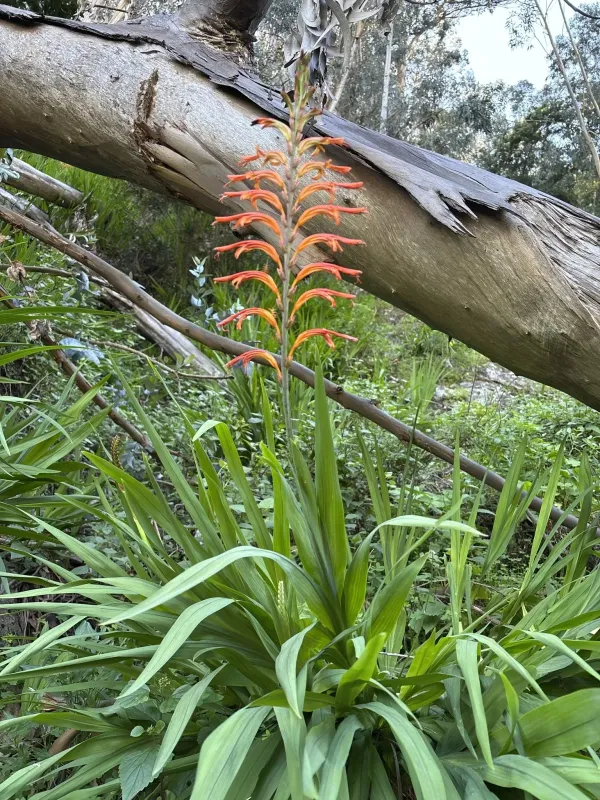
Description
Growing requirements
Chasmanthe floribunda is a perennial bulbous plant belonging to the Iridaceae family. It is native to the Cape region of South Africa, where it thrives in a Mediterranean climate characterized by mild, wet winters and warm, dry summers.
The crop requires full sun to partial shade exposure. In terms of soil, it prefers light, well-draining, and nutrient-rich media. If the soil is too heavy, amending it with sand or grit is essential to prevent moisture accumulation, which can cause bulb rotting.
Climatically, it is not hardy in regions with severe frosts. It is ideally suited for outdoor growth in USDA zones 8–10. In colder areas, it is traditionally grown in containers that can be moved indoors before the onset of winter freezing temperatures.
The botanical structure consists of sword-shaped leaves forming a basal fan, from which long, erect stalks emerge. The inflorescence is a spike of tubular, bright orange-red flowers that are highly attractive to pollinators, particularly hummingbirds in its native range.
Agricultural and landscape use includes ornamental gardening in rockeries, borders, and as a specialized cut flower. Its striking appearance and late winter flowering period make it a valuable addition to gardens aiming for year-round interest in warm climates.
Main diseases and pests
Fungal pathogens represent the primary threat to Chasmanthe floribunda, specifically those causing basal and root rots. These are often the result of poor drainage or overwatering, creating a conducive environment for Pythium and Rhizoctonia species.
Pest pressures primarily involve aphids and thrips. These insects colonize the succulent leaf tissues and flower spikes, causing visible spotting, deformation, and stunted growth. They also act as vectors for various plant viruses.
Managing these pests requires an integrated approach. Using sticky traps to monitor populations and applying horticultural oils or mild systemic insecticides can control infestations without causing phytotoxicity to the delicate foliage.
Prevention is centered on site selection and cultural practices. Proper spacing between plants ensures adequate air circulation, which reduces the humidity levels that favor fungal growth on the leaves and stalks.
Bulb storage hygiene is critical. After lifting the bulbs, they should be cleaned, inspected for damage, and stored in a cool, dry, and well-ventilated place. Any bulbs showing soft spots or discoloration must be discarded to prevent the spread of decay to healthy stocks.