
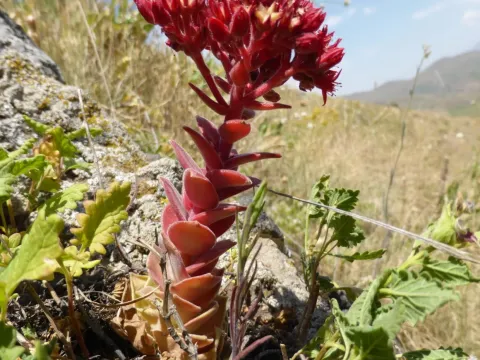
Prometheum
Prometheum
Sowing Prometheum requires precise adherence to soil temperature conditions, as seeds are highly sensitive to sudden cold spells.
What the section contains


Prometheum
The ideal planting window occurs in early spring when soil temperatures consistently reach at least 10–12 degrees Celsius.
Seeds should be planted at a depth of 2–3 centimeters, depending on the soil texture and the moisture content of the seedbed.
Utilizing high-quality, certified seeds with superior germination energy is essential for achieving a uniform stand density.
Adequate spacing must be maintained during sowing to ensure that every plant receives sufficient nutrients and light for optimal growth.
Prometheum thrives in well-lit environments and performs best when planted in open areas protected from strong, drying winds.
The crop prefers well-drained sandy loam or friable soil structures with a neutral pH, as these allow for excellent root development.
Efficient drainage is critical, as the species is highly susceptible to root rot and other issues associated with waterlogged soil.
A balanced fertilization program, rich in potassium and phosphorus, is necessary to support plant vigor during the active growing cycle.
While the plant has moderate adaptability, supplementary irrigation via drip systems is recommended during prolonged periods of drought.
Achieving high yields of Prometheum depends on maintaining optimal soil fertility and following strict agrotechnical guidelines.
Under intensive management systems, farmers can produce a significant biomass yield per hectare, maximizing the crop's economic potential.
Productivity is closely linked to timely nutrient delivery and the consistent maintenance of plant density throughout the entire season.
Peak performance is generally observed in mature plants, provided that the soil structure is preserved through organic amendments.
Advanced agricultural tools and growth stimulants can improve overall harvest quality and consistency in diverse climatic conditions.
Fungal pathogens represent the primary threat to Prometheum, particularly in humid climates or when plant density is excessively high.
Pests like aphids are common offenders that damage young shoots and can act as vectors for various viral diseases.
Proactive management using bio-fungicides and integrated pest control strategies is vital to maintaining a healthy crop population.
Root-feeding pests can be managed through crop rotation and proper soil preparation techniques prior to the sowing season.
Continuous monitoring of the field allows for early detection of infestations, ensuring that interventions remain targeted and efficient.
Harvesting should be timed to coincide with the peak accumulation of nutrients in the plant, ensuring maximum quality of the raw material.
It is best to conduct the harvest during dry weather to prevent moisture absorption, which could otherwise lead to degradation during storage.
Post-harvest handling involves cleaning and sorting the product to remove any impurities that might compromise long-term shelf stability.
Mechanical harvesting equipment is recommended to streamline the process, enabling efficient collection across large agricultural tracts.
Proper storage in well-ventilated, climate-controlled facilities is necessary to prevent spoilage and maintain the chemical integrity of the crop.