
Phedimus stellatus
Phedimus stellatus
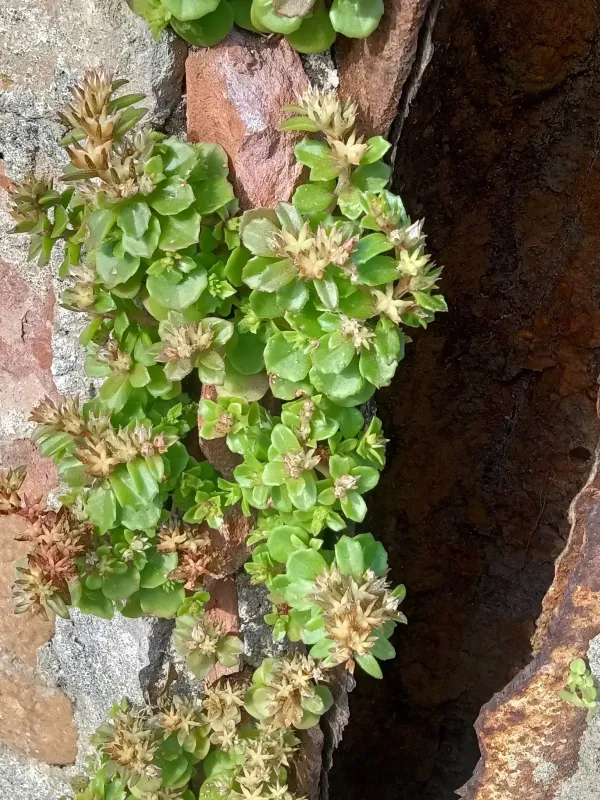
Description
Sowing dates
Phedimus stellatus is an annual herbaceous plant typically grown from seeds. The ideal sowing time is early spring, once the danger of severe frost has passed and the soil begins to warm up.
Seeds can be started indoors in seed trays during late winter or early spring for earlier flowering. The seeds are extremely small, so they should be sown on the surface of well-drained substrate without covering them with soil.
High humidity and consistent temperatures between 18 and 22 degrees Celsius are essential for successful germination. A clear cover or greenhouse plastic can be used to maintain moisture levels until the seedlings emerge.
Once the seedlings develop their first true leaves, they should be hardened off and transplanted into their permanent location. A spacing of about 15 to 20 centimeters is recommended for optimal plant development.
In suitable climates, this plant readily self-seeds, often appearing in the same garden beds year after year. Allowing the flowers to dry on the stem ensures that seeds are naturally dispersed for the following season.
Growing requirements
As a member of the Crassulaceae family, Phedimus stellatus is a drought-tolerant succulent that thrives in full sun. It requires an open location where it can receive direct sunlight for the majority of the day.
The soil must be exceptionally well-drained, as this plant is highly susceptible to root rot if left in standing water. Sandy, rocky, or gravelly soils with low nutrient content are considered ideal for its growth.
The plant is perfectly suited for rock gardens, dry slopes, and crevice planting. It requires very little supplemental water, as it is naturally adapted to survive periods of intense heat and low rainfall.
Excessive fertilization should be avoided, as it can cause the stems to become leggy and less attractive. The plant performs best in lean soils where it can maintain its compact and tidy growth habit.
Phedimus stellatus is highly valued for its ability to grow in challenging conditions where other plants might fail. It remains a popular choice for xeriscaping and sustainable landscape design projects.
Main diseases and pests
The most significant threat to Phedimus stellatus is fungal infection, which typically occurs due to poor ventilation or prolonged exposure to waterlogged soil. Root rot and damping-off are common issues in overly wet conditions.
Mealybugs are the most frequent insect pests that affect this succulent. They tend to cluster in the leaf axils, sucking the plant's juices and causing visible yellowing or stunted growth if left untreated.
Spider mites can also become a problem during periods of high heat and low humidity. Their presence is usually detected by fine webbing and stippling on the leaves, requiring prompt acaricide treatment.
Slugs and snails may feed on the tender young leaves, especially in the spring. Creating a barrier of coarse sand or gravel around the base of the plant is an effective, natural way to prevent mollusk damage.
Maintaining good airflow and avoiding overcrowding are the best preventative measures against most diseases. By placing the plant in its preferred sunny and dry environment, the risk of pest and disease outbreaks is significantly reduced.