
Poplar-leaved stonecrop
Hylotelephium populifolium
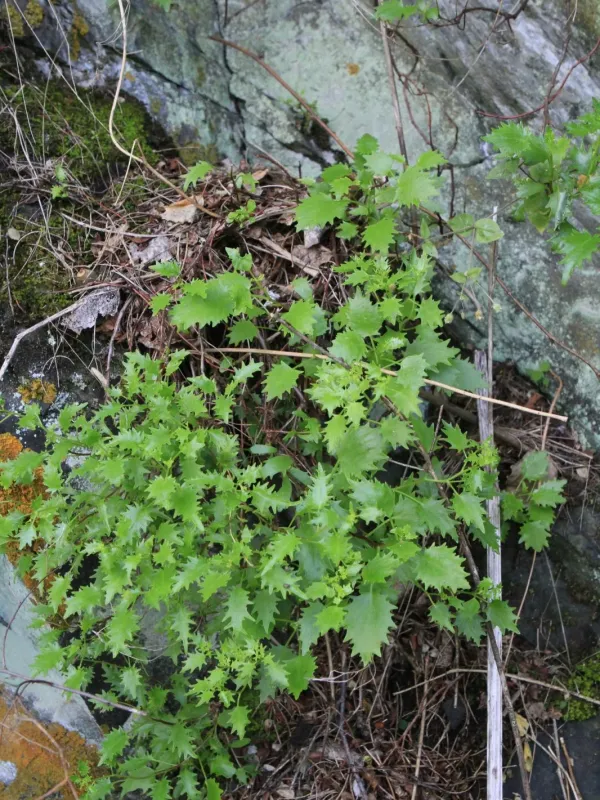
Description
Sowing dates
Poplar-leaved stonecrop, a member of the Crassulaceae family, is typically propagated vegetatively through division or stem cuttings during the spring season. Seed propagation requires a cold stratification period before sowing in a well-draining medium.
The optimal time for transplanting cuttings or divisions into the garden is late spring, once the threat of frost has completely passed. This timing allows the plants to establish a strong root system before the summer heat.
For seed sowing, use shallow containers placed in a warm environment (around 20 degrees Celsius) to ensure consistent germination rates.
When planting, provide adequate spacing between individual specimens to maintain air circulation and prevent moisture accumulation around the base of the stems.
Ensure that the root crown is not buried too deeply in the soil, as this can lead to developmental issues and crown rot in succulent species.
Growing requirements
This crop thrives in sunny, open locations with well-draining, sandy, or rocky soil. Efficient drainage is the most critical factor in preventing root rot, which is the primary cause of failure in this species.
Hylotelephium populifolium exhibits high drought tolerance, making it an excellent candidate for water-wise landscaping and xeriscaping projects in temperate regions.
While the plant can survive in nutrient-poor soils, it performs best with moderate fertility, which encourages more vigorous growth and distinct leaf structure development.
The species is well-adapted to wide temperature fluctuations, showing resilience against both cool nights and hot, dry summer days.
Maintenance is minimal, consisting mainly of occasional weed control and the removal of spent foliage to ensure the plant remains tidy throughout the year.
Yield
The primary use of this crop is in ornamental horticulture, where it is highly valued for its unique foliage that resembles poplar leaves, providing a distinct texture in garden designs.
It is frequently used as a ground cover plant in rock gardens, helping to suppress weeds while providing a uniform and visually appealing surface.
As a nectar-rich plant, it serves as a valuable resource for local pollinators, including bees and butterflies, supporting biodiversity in the garden environment.
Its biological resilience makes it suitable for green roof installations and living walls, where minimal soil depth and infrequent watering are common limitations.
The plant's longevity ensures that it remains an asset in a garden composition for many years, providing a consistent decorative element with very low input costs.
Main diseases and pests
The most common threats to the plant include fungal diseases, such as root rot and powdery mildew, which thrive in stagnant, humid environments.
Pests like aphids and spider mites can occasionally infest the plants, particularly during periods of extreme heat and drought stress.
Effective management involves maintaining proper spacing and air movement to prevent the build-up of excess humidity around the plant foliage.
If fungal infection is detected, the prompt removal of affected areas and the application of suitable fungicides are recommended to prevent further spread.
Preventive measures, such as avoiding overhead watering and ensuring that the soil medium remains porous, are sufficient to keep the plants healthy and robust.