
Prometheum pilosum
Prometheum pilosum
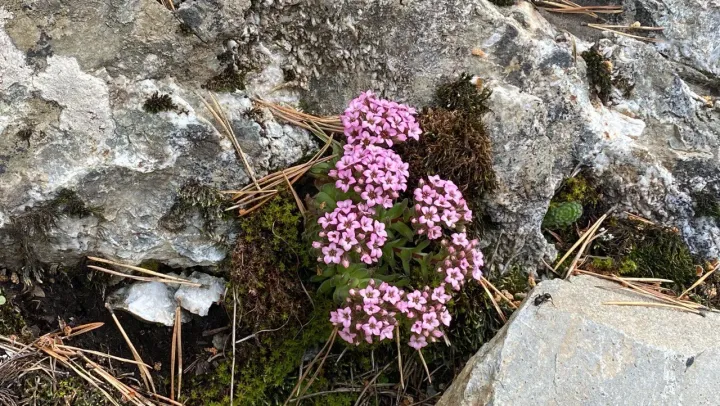
Description
Growing requirements
Prometheum pilosum belongs to the Crassulaceae family and is recognized as a unique succulent species. Originating from the mountainous ranges of the Caucasus and Turkey, this plant is naturally adapted to rocky crevices and thin soils.
For successful cultivation, the substrate must be highly mineral-based, consisting of gravel, sand, and pumice. A high level of drainage is mandatory to prevent root rot, as the species is extremely intolerant to waterlogged soils.
The plant thrives in full sun, which helps in maintaining its characteristic dense rosette form and succulent texture. In cultivation, it is often placed in alpine houses or sunny rock gardens where exposure to light is maximized.
Climate requirements include distinct seasonal changes with dry summers and cool, dry winters. It is vital to protect the plant from excessive winter moisture, which can cause the leaves to decay rapidly.
Regarding agrotechnical management, minimal fertilization is needed as the plant is adapted to nutrient-poor environments. Over-fertilization leads to lush, weak growth that is prone to pests and physical damage.
Main diseases and pests
Root rot caused by fungal pathogens is the primary threat to Prometheum pilosum. This condition is almost always linked to improper drainage or excessive watering during dormant phases of the plant cycle.
Mealybugs are common pests in greenhouse or indoor environments, hiding between the succulent leaves. Monitoring the base of the rosettes is crucial, as early detection allows for manual removal before an infestation spreads.
Aphids can target the flower stalks during the blooming season, weakening the plant's ability to produce viable seeds. Regular inspections of the inflorescences are recommended during the peak growth months.
Gray mold (Botrytis) can affect the plant if ventilation is poor and air humidity is too high. Improving air circulation around the plants acts as a significant preventive measure against the spread of spores.
Finally, improper handling during transplantation can cause leaf detachment or bruising. Because the succulent leaves are fragile, careful maintenance using non-abrasive tools is necessary to avoid secondary infections.