
Rhachidosorus mesosorus
Rhachidosorus mesosorus
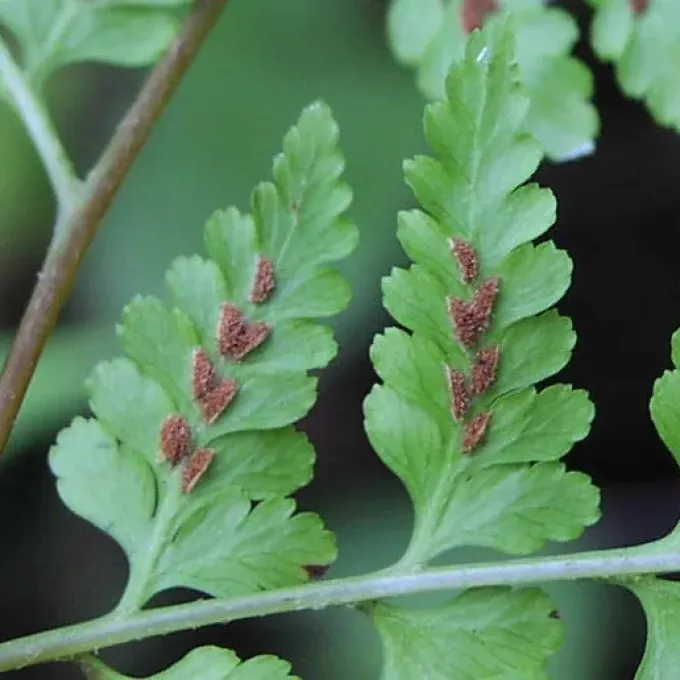
Description
Growing requirements
Rhachidosorus mesosorus is a distinct species of fern belonging to the Rhachidosoraceae family. Originally found in the temperate forest regions of East Asia, this plant thrives in humid environments under the dense canopy of larger vegetation.
Cultivation of this species requires meticulous attention to soil composition. It prefers a loose, humus-rich substrate that maintains consistent moisture while ensuring excellent drainage to prevent root rot. The pH levels should remain slightly acidic to neutral to ensure optimal nutrient uptake.
Climate demands involve avoiding extremes in both temperature and light. Rhachidosorus mesosorus is strictly a shade-loving species, needing diffused light to maintain the lush green color of its fronds. Direct sunlight can cause severe foliage scorch and physiological stress.
Maintenance techniques center on high humidity management. In greenhouse or domestic settings, misting systems or a microclimate-controlled environment are necessary. Water should be applied at the base of the plant to keep the crown slightly moist without saturating the foliage.
Economically, this species is utilized as a premium ornamental plant in shade gardens and botanical research collections. Its unique morphological structure makes it a highly desirable choice for landscaping in regions where humidity levels allow for forest-floor conditions.
Main diseases and pests
Pathogens affecting Rhachidosorus mesosorus are primarily fungal, often appearing when ventilation is inadequate. Root decay is the most common issue in poorly drained soils, requiring immediate substrate replacement and fungicide intervention.
Insect pests such as spider mites thrive in low-humidity environments, making constant moisture control a preventative measure. Infestations manifest as webbing and leaf discoloration, requiring targeted miticides or horticultural oil application for control.
Snails and slugs can cause significant mechanical damage during the early development phase of the fronds. Barriers or manual removal are the safest methods to protect the plant from these pests in outdoor garden installations.
Environmental stress, particularly sudden drought or cold snaps, can weaken the plant, making it susceptible to opportunistic diseases. Maintaining a stable temperature range is critical for long-term health and vigor of the fern.
Sanitation practices, such as removing debris and dead foliage around the plant, are essential to prevent the spread of spores and pests. A proactive approach to plant hygiene significantly reduces the need for chemical treatments and promotes sustained growth.