
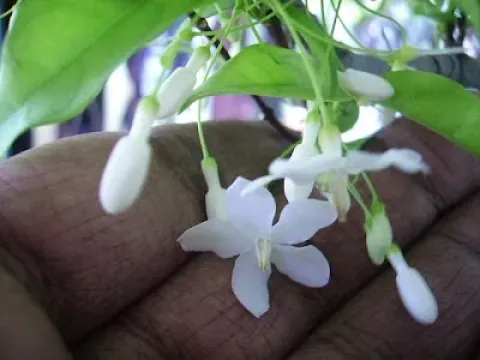
Wrightia
Wrightia R. Br.
Wrightia is a genus of flowering plants belonging to the family Apocynaceae, typically comprising small trees and shrubs native to the tropical regions of Asia, Africa, and Australia. These plants are well-adapted to warm, humid climates and require full sun to partial shade for optimal growth.
What the section contains

Wrightia
The cultivation of Wrightia requires soils with excellent drainage, as the plants are highly susceptible to root rot if water remains stagnant for extended periods. Sandy loam or well-aerated soil compositions are preferred to ensure the healthy development of the fibrous root system.
Botanically, Wrightia species are characterized by their simple, opposite leaves and terminal or axillary inflorescences. The flowers are often fragrant and may produce paired follicles containing seeds with tufts of hair, facilitating wind dispersal.
Climate requirements include high ambient temperatures and consistent moisture during the growing season. While some species show a degree of drought tolerance once established, consistent irrigation is vital for juvenile plants and those intended for commercial wood or leaf production.
Propagation is generally performed through seed sowing or stem cuttings in specialized nursery environments. Proper spacing is essential to ensure adequate airflow within the canopy, which helps in preventing excessive humidity buildup around the foliage.
Wrightia species are utilized for various economic purposes, most notably for their high-quality wood. Wrightia tinctoria, for instance, produces a fine-grained, light-colored wood that is highly sought after by woodcarvers and furniture makers for its workability and durability.
In addition to timber, several species have a long history of use in traditional medicine. Extracts from the bark, seeds, and leaves are studied for their pharmacological properties, including potential anti-inflammatory and antiseptic activities for various dermatological applications.
Harvesting timber requires selective logging practices to ensure the sustainability of the cultivated stands. For medicinal purposes, foliage and bark collection must be performed at specific stages of plant maturity to maximize the concentration of active secondary metabolites.
Historically, the leaves of certain Wrightia species served as a source of natural blue dye. The extraction process involved fermenting the leaves in water, followed by agitation to oxidize the precursor compounds, reflecting the plant's diverse chemical potential.
As a garden plant, Wrightia is valued for its ornamental appeal, particularly its showy, fragrant flowers. It serves as an important honey plant, supporting local pollinator populations and enhancing the ecological stability of the agricultural landscape.
Wrightia is susceptible to common tropical pests such as mealybugs, scale insects, and aphids. These sap-sucking insects can significantly weaken the plant if left unchecked, often congregating on the undersides of leaves and at the nodes of young stems.
Fungal pathogens, including various leaf spot diseases and powdery mildew, may emerge during periods of high humidity and poor ventilation. Maintaining a clean cultivation environment and removing debris beneath the plants is essential for reducing fungal spore loads.
Root system issues, primarily caused by waterlogging, lead to systemic decline and susceptibility to secondary infections. If soil aeration is compromised, pathogens like Phytophthora can quickly destroy the root crown, necessitating immediate drainage adjustments.
Integrated Pest Management (IPM) strategies, including the use of neem-based sprays and the introduction of beneficial insects, are recommended for large-scale production. Chemical intervention should be reserved for severe infestations and applied with care.
Consistent monitoring and proper sanitation are the primary defenses against disease. Healthy plants that receive balanced fertilization and appropriate light levels demonstrate a much higher natural resilience to most biotic and abiotic stresses.