
Solenostemma arghel
Solenostemma arghel
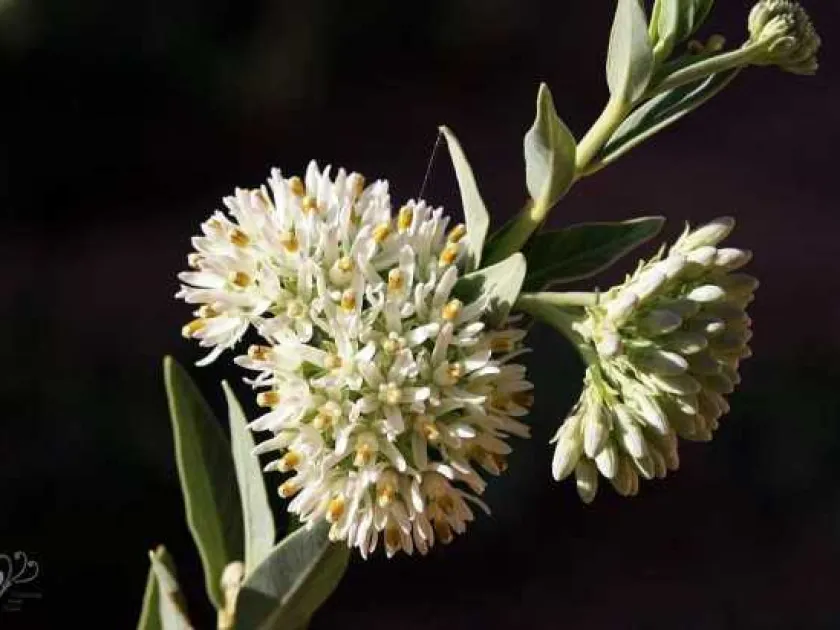
Description
Growing requirements
Solenostemma arghel is a notable species within the Apocynaceae family, native to the arid regions of North and Northeast Africa. It has evolved to thrive in harsh, desert environments where water scarcity is the primary limiting factor for plant growth.
Morphologically, the plant presents as a shrubby perennial featuring succulent-like stems and leathery leaves. These features are critical adaptations that allow the plant to store moisture and withstand prolonged exposure to intense heat and direct sunlight.
Cultivation of Solenostemma arghel requires well-draining, sandy or rocky substrates. It is extremely sensitive to waterlogging; therefore, maintaining an environment that mimics its natural desert habitat is essential for long-term survival.
The plant thrives in high-temperature climates with minimal humidity. Optimal development requires full sun exposure, as shaded conditions significantly reduce the accumulation of medicinal compounds within the leaf tissue.
Beyond its ecological value, the plant is primarily harvested for its therapeutic applications. Local populations have utilized its dried leaves for centuries, and current industrial interest focuses on its potential as a source of bioactive secondary metabolites for pharmacology.
Main diseases and pests
Root rot is the primary threat to the crop, predominantly caused by over-irrigation or poor soil drainage, which encourages fungal pathogens in the rhizosphere.
Spider mites are the most common pest observed in controlled agricultural settings, often thriving during dry spells and causing significant chlorosis to the foliage.
Whiteflies can also colonize the plant, particularly in sheltered areas where air circulation is restricted, leading to reduced photosynthesis and overall growth suppression.
Weed management is vital during the initial establishment phase, as the plant grows slowly and is easily outcompeted for soil nutrients by more aggressive desert flora.
Adopting integrated pest management (IPM) strategies, which prioritize biological control and spacing for air movement, is recommended to ensure high-quality medicinal leaf production.