
Araujia sericifera
Araujia sericifera
Description
Growing requirements
Araujia sericifera, commonly known as the moth plant or white bladderflower, is a perennial vine belonging to the Apocynaceae family. This species is characterized by its vigorous growth habit, with stems capable of reaching several meters in height when provided with suitable vertical support.
Originating from South America, the plant exhibits a preference for sunny locations and well-drained soil conditions. While it is highly adaptable to various soil types, consistent moisture during the early growth stages is essential for establishing a robust root system and promoting healthy vegetative development.
Regarding climate, the plant thrives in temperate to subtropical zones. It is sensitive to severe frost, which limits its perennial growth in colder climates. Gardeners and farmers often manage it as an annual in cooler regions or maintain it in controlled environments to prevent unintended spread due to its invasive nature in certain habitats.
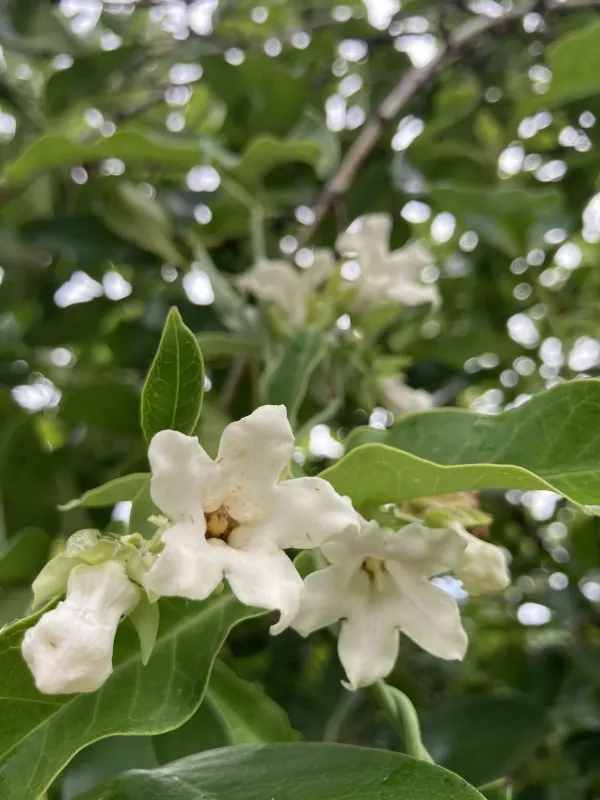
The botanical structure of Araujia sericifera is notable for its opposite leaves and fragrant, trumpet-shaped flowers. The plant produces large, pear-shaped fruit capsules that contain numerous black seeds attached to silky, wind-dispersed hairs, which are the primary method of propagation in the wild.
Agricultural management of this species involves regular pruning to control its climbing spread and careful monitoring during the seed-set phase. Because of its potential to outcompete local vegetation, it is critical to implement containment strategies, ensuring that the plant is grown strictly within monitored parameters.