
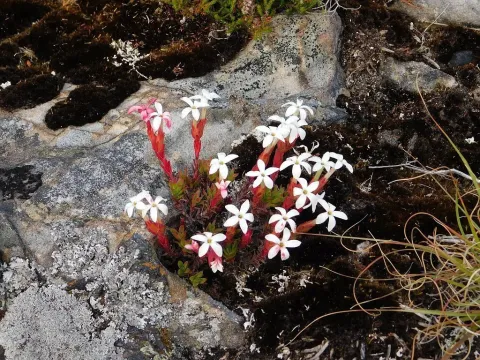
Crassulakalanchoe
Crassula x Kalanchoe
Crassulakalanchoe is a notable intergeneric hybrid resulting from the crossing of species within the Crassulaceae family. This plant exhibits unique vegetative characteristics, retaining water in its thick, succulent leaves for long-term survival.
What the section contains

Crassulakalanchoe
For optimal growth, the plant requires bright, indirect sunlight. Exposure to intense mid-day sun may cause chlorosis or leaf scorching, necessitating the use of light-filtering equipment in professional nursery settings.
Temperature management is critical for the development of the hybrid. It performs best in a range of 18°C to 26°C, though it is hardy enough to endure cooler temperatures during the dormancy phase in winter.
The substrate must be well-draining, mimicking arid environmental conditions. A high-quality mix should include inorganic components like pumice, perlite, and coarse sand to ensure oxygen reaches the root system effectively.
Watering schedules must be strictly regulated based on the ambient humidity and evaporation rate. The grower should ensure the soil is completely dry before applying additional irrigation to avoid root hypoxia.
Fungal pathogens such as Pythium and Phytophthora are the primary threats to Crassulakalanchoe. These are usually introduced through contaminated tools or poor irrigation management practices in the greenhouse.
Mealybugs are the most common insect pests encountered in succulent production. These insects cluster in the leaf axils and stems, creating a waxy, white residue that significantly damages the aesthetic quality of the crop.
Spider mites are another frequent issue, particularly in dry, arid environments. They feed on plant sap, leading to stunted growth and mottled, discolored foliage that is difficult to restore.
Scale insects can attach themselves to the woody parts of the stem. Their presence often goes unnoticed until the plant shows signs of systemic stress, such as yellowing or leaf drop.
Integrated Pest Management (IPM) protocols are essential for maintaining crop health. This includes regular scouting for pests, using yellow sticky traps, and applying horticultural soaps or systemic pesticides as a preventative measure.