
Dolomite houseleek
Sempervivum dolomiticum
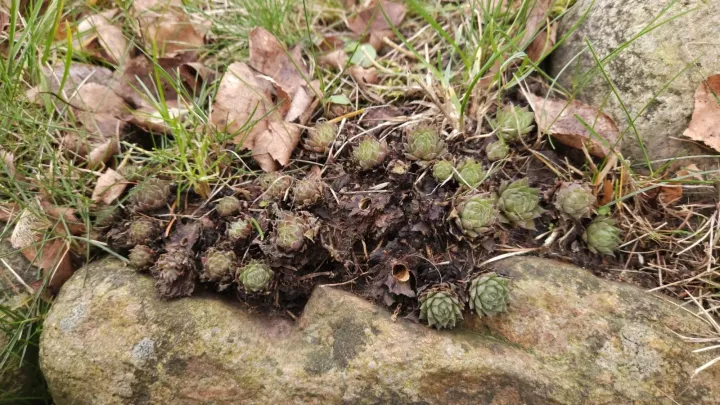
Description
Growing requirements
The Dolomite houseleek (Sempervivum dolomiticum) is a member of the Crassulaceae family. It is a perennial succulent native to the high-altitude rocky environments of the Dolomite Alps.
This species thrives in full sun, which is essential for maintaining its compact, rosette-forming habit and vibrant leaf coloration. Exposure to shade leads to leggy growth and increased vulnerability to disease.
The plant demands well-draining, stony, or sandy soil. It is particularly well-suited for rock crevices, scree slopes, and xeriscaping projects where irrigation is minimal or absent.
It displays remarkable climatic hardiness, easily surviving extreme cold and temperature fluctuations typical of its natural mountain habitat. However, it requires excellent ventilation to prevent humidity-related issues.
In terms of usage, it is primarily cultivated as an ornamental plant for rock gardens, trough gardens, and alpine collections, valued for its extreme drought tolerance and unique aesthetic appeal.
Main diseases and pests
Root rot is the primary physiological threat to the Dolomite houseleek. This condition is almost exclusively caused by poorly drained soil or excessive watering, leading to the death of the root system.
Aphids are the most common insect pests that infest the rosettes, particularly in the spring when new growth appears. They sap the vitality of the plant and can cause stunted development.
Mealybugs can be problematic, especially in confined spaces or greenhouse environments. These pests hide in the crevices between the succulent leaves, making them difficult to detect early.
Fungal pathogens such as rust or leaf spot can occur if the plants are kept in stagnant, humid conditions. Proper airflow and avoiding overhead watering are critical preventive measures.
Slugs and snails may occasionally feed on the leaves, especially after rainfall. Placing sharp grit or crushed shells around the plants acts as an effective physical barrier against these mollusks.