
Crassula thunbergiana
Crassula thunbergiana
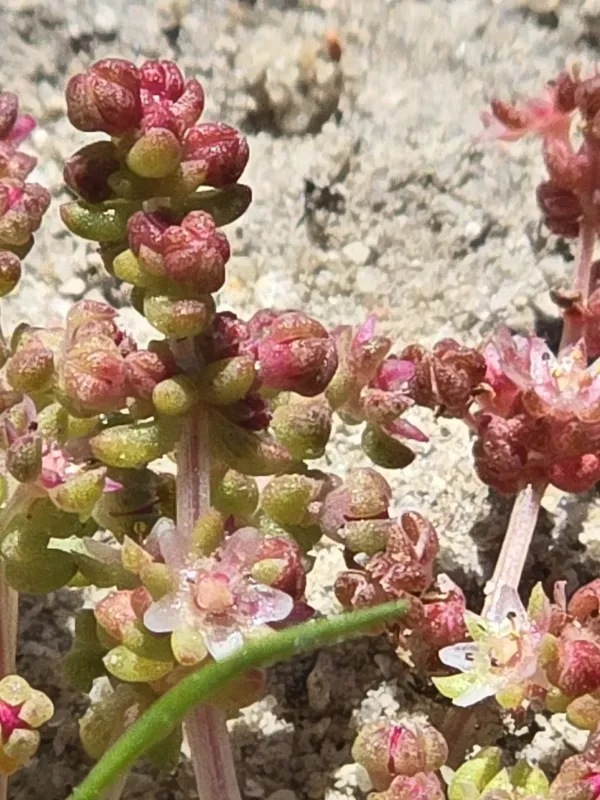
Description
Growing requirements
Crassula thunbergiana is a succulent species belonging to the Crassulaceae family. It is recognized for its adaptive nature, evolved to survive in the arid climates typical of Southern Africa.
The plant originates from regions where sandy soil and rock crevices are common. Its botanical structure includes specialized succulent leaves that store moisture, allowing it to withstand long periods of drought.
Environmental conditions require significant sunlight to prevent the etiolation of the stems. If the plant does not receive adequate light, it loses its characteristic form and structural integrity.
Soil requirements are strictly focused on drainage. A substrate consisting of coarse sand, perlite, and a small amount of potting soil is ideal to ensure that water does not linger near the root zone.
Temperature management involves keeping the plant in a climate-controlled environment. While it is hardy in its native habitat, it prefers steady temperatures between 20°C and 25°C during the active growing season.
Main diseases and pests
The primary threat to Crassula thunbergiana is root rot, triggered by overwatering or poor drainage systems. This fungal condition can destroy the vascular system of the plant in a short time.
Mealybugs are the most common pests affecting this species. They cluster in the crevices between leaves, extracting sap and weakening the overall health of the plant.
Spider mites can also be a significant issue, particularly when the ambient air is too dry for prolonged periods. They feed on the epidermis of the succulent, causing unsightly spots.
Management involves early detection and the use of targeted pest control measures, including horticultural oils or systemic insecticides if necessary.
Good cultural practices, such as ensuring proper air circulation and strictly monitoring soil moisture, provide the best defense against pests and diseases in any agricultural setting.