

Reference · Crops
Cow-wheat
Melampyrum L.
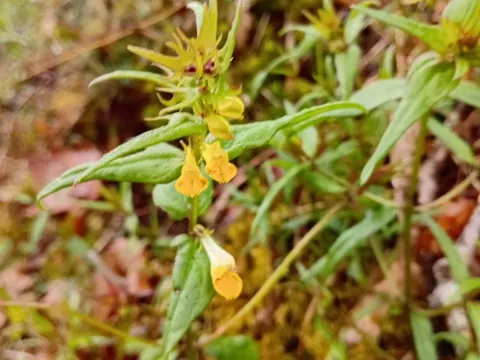
Cow-wheat (Melampyrum) is a genus of annual herbaceous plants belonging to the Orobanchaceae family. These plants are known as hemiparasites, meaning they contain chlorophyll and perform photosynthesis, but also extract water and nutrients from the roots of other plants via specialized haustoria.
1
items
What the section contains
Marketplace
Products in this section · 1
Cow-wheat
The genus is widely distributed across the temperate regions of the Northern Hemisphere. They thrive in diverse environments, including meadows, forest edges, and grasslands, where they typically attach themselves to the roots of grasses and various forbs to supplement their metabolic needs.
Botanically, Melampyrum is characterized by simple opposite leaves and distinct, often brightly colored, bracts that surround the flowers. The fruit is a capsule containing a few large, oil-rich seeds that are frequently dispersed by ants, a process known as myrmecochory.
From an agricultural standpoint, cow-wheat is generally categorized as a weed rather than a crop. In pasture management, its presence can be undesirable as it competes with nutritious forage grasses for soil resources, potentially leading to a decrease in the overall biomass production of the field.
The ecological requirements for cow-wheat include well-drained soil and adequate light levels. It does not thrive in heavily waterlogged or extremely dry conditions. Maintaining a healthy balance of competitor plant species is the most effective way to manage its density within a natural or managed ecosystem.
The primary threats to Melampyrum populations include fungal pathogens such as rusts and mildews, which can affect the leaves and stems during damp, warm summers. These infections can significantly reduce the vitality of the plants and limit their ability to produce seeds.
Insect pests are generally less of a problem due to the presence of iridoid glycosides in the plant tissues. These chemical compounds act as a deterrent for many herbivores, making cow-wheat less palatable than surrounding vegetation, though some specialized insect larvae may still cause minor damage.
To control cow-wheat in agricultural areas, mechanical measures are prioritized. Mowing the infested area before the plant sets seeds is considered the gold standard for reducing the seed bank in the soil and preventing future outbreaks in the following growing seasons.
Crop rotation and field cultivation help break the life cycle of this hemiparasite by removing the essential host plants it needs to survive. Without a suitable host, the survival rate of young Melampyrum seedlings drops significantly, limiting its colonization potential.
Monitoring the fields for early signs of infestation is crucial. Because cow-wheat seeds can remain viable in the soil for several years, consistent long-term management and the use of competitive forage cover are recommended to keep the weed population under control.