
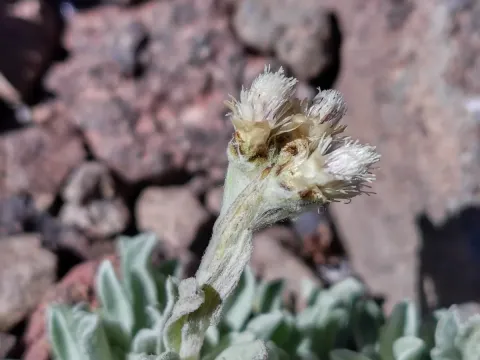
Pussytoes
Antennaria Gaertn.
Pussytoes seeds are typically sown in the spring, during April or May, once the soil has warmed to a temperature of 10–15 degrees Celsius.
What the section contains

Pussytoes
Late autumn sowing in open ground is also permitted, as it facilitates natural stratification of the seeds and improves germination rates in the following spring.
When using the seedling method, sow seeds in March in containers filled with a light sandy substrate, ensuring the seeds are not buried too deeply.
Seedlings typically emerge within 2–3 weeks, provided that moderate moisture is maintained and the temperature stays around 20 degrees Celsius.
Transplanting seedlings to their permanent location should be carried out after two pairs of true leaves have developed, maintaining 15–20 cm between plants.
Pussytoes belong to the Asteraceae family and are hardy perennial herbaceous plants adapted to challenging environmental conditions.
The crop prefers open, sunny areas, as shaded conditions cause the stems to stretch and reduce the ornamental quality of the silvery foliage.
The plant is not demanding regarding soil fertility, but it thrives best in poor, sandy, or rocky, well-drained soils with a neutral or slightly acidic pH.
The species possesses high frost and drought resistance but cannot tolerate waterlogging in the root zone, which leads to rapid plant decay.
Agrotechnical practices include minimal watering during active growth and infrequent fertilization, as excess nutrients diminish the plant's compact form.
The commercial use of this crop is primarily focused on creating ornamental ground covers for landscape design or harvesting medicinal raw materials.
As a ground-cover plant, Antennaria forms dense mats that can effectively cover significant areas with proper site preparation and care.
Medicinal raw material is harvested during the active flowering phase by cutting the stems with inflorescences and drying them in shaded, well-ventilated areas.
The yield of dried medicinal material varies based on planting density and sunlight exposure, averaging up to 150–200 grams per square meter.
Ornamental products, such as container-grown starter plants, are sold throughout the growing season for landscaping and gardening needs.
The primary challenges in cultivation arise from improper moisture management, particularly overwatering, which frequently leads to root rot.
Among pests, aphid infestations are the most common, as they feed on the sap of young inflorescences and shoot tips during the early summer.
In densely planted areas, fungal leaf spots may develop, requiring prompt removal of infected tissue and thinning of the plant colonies.
Plants may also be susceptible to spider mites during extreme heat and drought, necessitating the application of preventive acaricide treatments.
A crucial component of crop protection is ensuring adequate soil drainage, as most Antennaria health issues are physiological, caused by improper cultivation.