
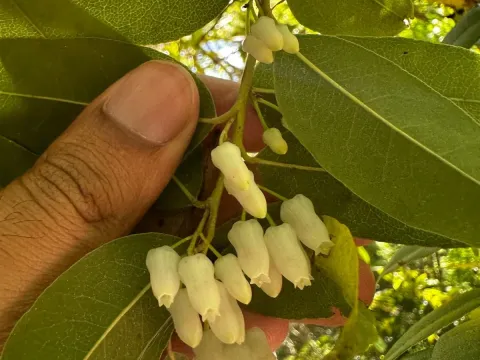
Agarista
Agarista D. Don ex G. Don
Agarista is a genus of evergreen shrubs and small trees belonging to the Ericaceae family. These plants are closely related to Pieris and Leucothoe, sharing similar botanical characteristics and aesthetic appeal with bell-shaped flowers and glossy, leathery foliage.
What the section contains

Agarista
The native distribution of Agarista includes tropical and subtropical regions of Asia and the Americas. They typically inhabit moist forest margins and protected woodland areas where high humidity and mild temperatures persist throughout the growing season.
The primary requirement for Agarista is a well-draining, acidic soil environment. The soil pH must remain within the range of 4.5 to 5.5, similar to requirements for rhododendrons or azaleas, to ensure optimal nutrient uptake and root health.
Adequate moisture is essential, but waterlogging must be strictly avoided. The plants thrive in partial shade settings, as prolonged exposure to direct, harsh sunlight can scorch the leaves and cause physiological stress to the shrub's root system.
For container-grown specimens, a specialized acidic peat-based substrate is recommended. Consistent air circulation around the canopy is vital to mimic the natural ventilation found in forest habitats and to prevent overheating of the root zone.
Root rot, primarily caused by Phytophthora species, is the most common threat to Agarista. This disease usually occurs when the plant is kept in heavy, poorly drained soil that remains saturated for extended periods, suffocating the roots.
In indoor or greenhouse settings, spider mites represent the most significant pest challenge. These pests thrive in dry air conditions and can quickly cause yellowing and curling of the leaves, eventually leading to premature defoliation if left untreated.
Iron chlorosis is frequently observed in plants maintained in alkaline water conditions. This nutrient deficiency, characterized by yellowing leaf tissue while the veins remain green, necessitates the application of chelated iron supplements.
Powdery mildew and various leaf spot fungi can affect the foliage if the plants are kept in stagnant, humid environments with poor airflow. Maintaining dry leaf surfaces during evening hours can significantly reduce the risk of such infections.
Regular sanitation, including the removal of dead wood and fallen foliage, is recommended to minimize fungal inoculum. If infestation or disease occurs, systemic fungicides and appropriate acaricides should be used according to standard agricultural practices.