
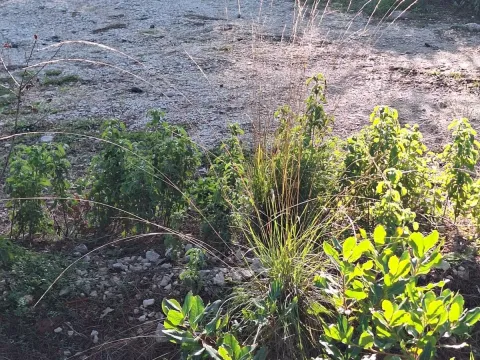
Achnatherum
Achnatherum P. Beauv.
Achnatherum (commonly known as needle grass or giant feather grass) is a perennial member of the Poaceae family. It is a highly specialized xerophyte, evolved to thrive in arid and semi-arid environments where water availability is significantly limited.
What the section contains


Achnatherum
Originating from Central Asian steppes and mountainous deserts, this plant is well-known for its deep and extensive root system. This biological trait allows it to stabilize loose sandy soils and withstand long periods of severe drought.
Achnatherum exhibits remarkable tolerance to various soil types, including saline and alkaline soils. It does not require high nitrogen levels, making it a low-input crop suitable for marginal lands that cannot support intensive agriculture.
The climate requirements for this plant focus on high light intensity and thermal stability. It thrives in regions with hot summers and cold winters, demonstrating excellent frost resistance during its dormant season.
The economic value of this crop is multifaceted. It is utilized in the handicraft industry for weaving mats and ropes, while in agricultural contexts, it provides valuable pasture for sheep and camels during the early spring growth phase.
Fungal diseases such as rust can occur if the plant is grown in areas with excessive moisture or poor aeration. However, under standard arid growing conditions, the plant remains naturally resilient to most bacterial and fungal pathogens.
Insect pests include aphids and various beetle larvae that target the succulent tissues of young grass blades. Integrated pest management strategies are essential during the initial establishment phase of a new plantation.
Locust swarms pose a significant threat to large-scale stands, as the grass is a preferred food source. Controlling these outbreaks requires regional cooperation due to the migratory nature of the insects.
Overgrazing is the primary cause of stand degradation. Without adequate resting periods for the plants to recover their carbohydrate reserves in the roots, the density of the grass can diminish significantly over time.
Rodent populations in desert environments can interfere with seed propagation by consuming the grains before they have a chance to germinate. Protecting nursery beds is crucial for successful plantation expansion.