
Hybrid Agapanthus
Agapanthus campanulatus x Agapanthus praecox
Description
Growing requirements
Hybrid Agapanthus is a sophisticated perennial plant belonging to the Agapanthaceae family, derived from South African native species. It has become a staple in ornamental horticulture due to its stunning umbrella-shaped inflorescences and robust foliage, which add a tropical touch to any garden landscape.
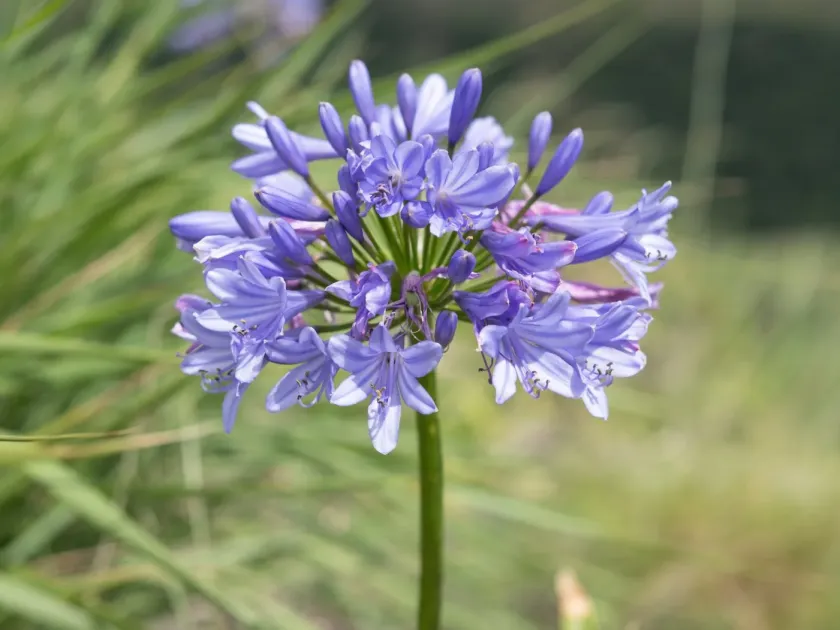
The plant features a dense cluster of strap-like leaves and strong, tall stems that support large clusters of trumpet-shaped flowers. The range of colors spans from vibrant blues and purples to elegant white, making it a highly versatile plant for both formal garden beds and casual containers.
Cultivation requires a location with full sun exposure to ensure optimal flower production. The soil must be well-draining and rich in organic matter; while Agapanthus is relatively drought-tolerant once established, it performs best when provided with consistent moisture during its peak growing season in spring and summer.
In temperate zones, growers must implement proper winter protection strategies. Container gardening is highly recommended in colder regions, as it allows for the plants to be moved into greenhouses or sheltered areas before the first frost, preventing root damage and ensuring survival for the next season.
The economic value of this crop is primarily found in the professional landscaping and cut-flower industries. Its longevity, combined with an architectural aesthetic, makes it a favored choice for landscape architects designing Mediterranean-style gardens or high-end residential outdoor spaces.
Main diseases and pests
The primary pests affecting Hybrid Agapanthus include mealybugs and snails, which can cause significant damage to the soft tissues of the leaves and flower buds. Monitoring plant health in shaded or overly damp areas is crucial for early detection and mitigation of potential pest infestations.
Root rot, often caused by poor soil drainage or excessive watering, remains the most common pathological threat to the crop. Proper site selection, incorporating inorganic amendments like sand or perlite into the soil mix, and avoiding heavy, waterlogged conditions are the best ways to prevent these issues.