
Agapanthus comptonii
Agapanthus comptonii F. M. Leight.
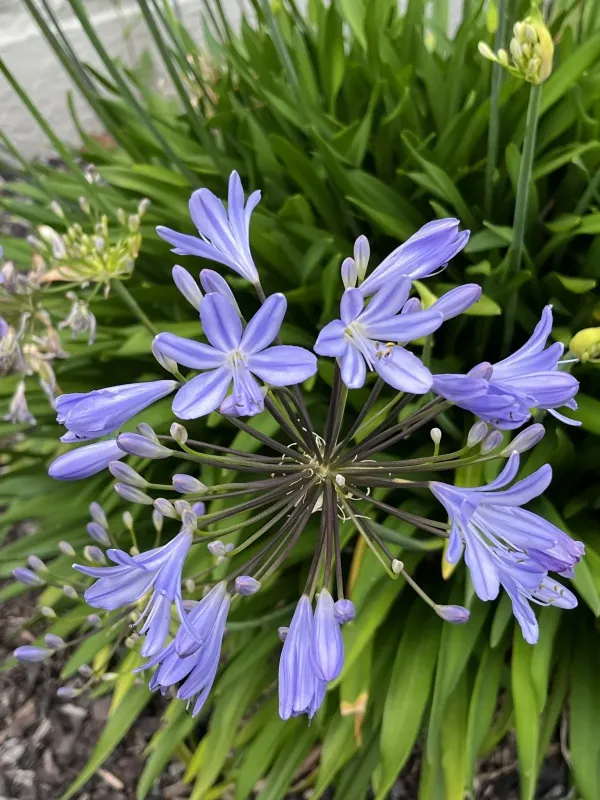
Description
Growing requirements
Agapanthus comptonii is a perennial herbaceous plant belonging to the Amaryllidaceae family, native to the southern regions of Africa. It is highly valued in horticulture for its structural foliage and striking, umbel-shaped inflorescences that appear on robust stalks.
The cultural requirements of this species focus heavily on sun exposure. To ensure vigorous growth and prolific flowering, the plants should be located in full sun, though they can tolerate partial shade in extremely hot climates where direct midday sun might scorch the leaves.
Regarding soil preferences, the plant demands excellent drainage. While it thrives in fertile, well-draining loam, it can adapt to various soil types provided that water logging is avoided, as stagnant moisture is the primary cause of root failure in this species.
The plant demonstrates a distinct seasonal growth cycle. During the active growing season, consistent moisture and moderate to high temperatures are preferred. Conversely, during the winter dormancy period, the plant requires cooler temperatures to initiate the subsequent flowering cycle.
Maintenance tasks include the application of balanced liquid fertilizers during the spring and early summer. Proper spacing is also crucial, especially when planted in groups, to facilitate adequate airflow and prevent the development of localized microclimates that encourage pests.
Main diseases and pests
The primary pests affecting Agapanthus comptonii include snails and slugs, which feed on the succulent leaves, particularly in young plants. These pests can cause significant aesthetic damage, creating ragged leaf margins and reducing the plant's overall vigor.
Fungal pathogens such as Botrytis or various types of root rot are common threats when environmental conditions are unfavorable. High humidity combined with poor ventilation creates an ideal environment for these pathogens to colonize the plant tissues.
Mealybugs represent another concern, especially for plants kept in containers or greenhouses. These pests cluster in the leaf axils, extracting plant sap and leading to yellowing or stunted growth if left unmanaged for extended periods.
Management strategies rely heavily on cultural control, such as removing debris from the base of the plant to eliminate hiding spots for pests. Regular monitoring during the growing season allows for early intervention, often preventing the need for broad-spectrum chemical treatments.
In cases of severe infestation, targeted applications of systemic insecticides or fungicides are recommended. However, it is essential to ensure that the chosen treatment is appropriate for the growth stage of the plant to avoid phytotoxicity and ensure long-term health.