
Agapanthus
Agapanthus africanus x Agapanthus inapertus
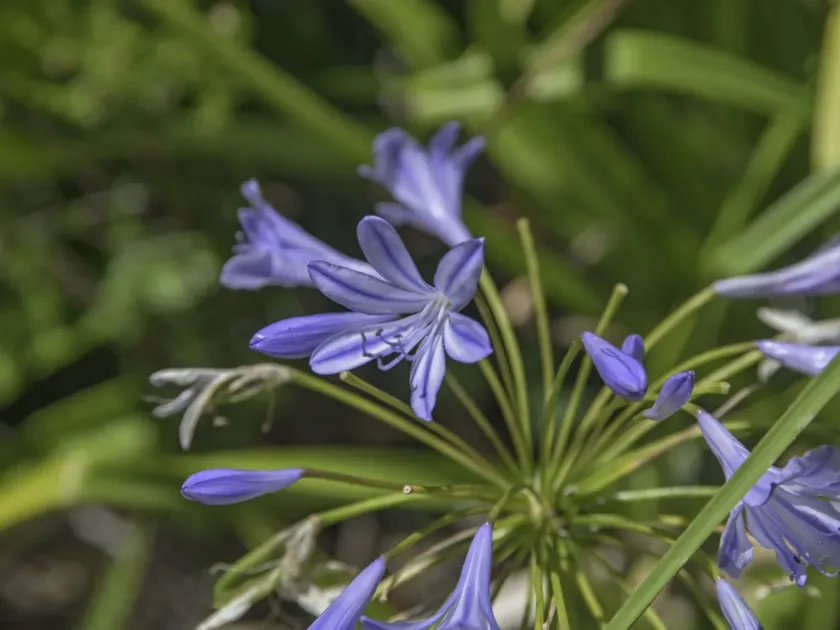
Description
Growing requirements
Agapanthus is a perennial herb belonging to the Agapanthaceae family, originating from South Africa. This hybrid between Agapanthus africanus and Agapanthus inapertus is prized for its architectural beauty and vibrant, trumpet-shaped flowers.
The plant requires a sunny location to thrive, as adequate light is essential for successful blooming. While it prefers a Mediterranean climate, in colder regions, it is successfully cultivated in containers moved indoors before the first frost.
The soil should be fertile, well-draining, and slightly acidic or neutral. It is crucial to prevent waterlogging, as the fleshy rhizomes are highly susceptible to rot, especially during the winter dormancy period.
Agricultural practice involves providing sufficient space for the root system, although the plant flowers best when slightly pot-bound. Regular fertilization during the spring and summer months encourages robust growth and more frequent flower spikes.
Industrially, Agapanthus is primarily used in landscaping and professional floristry. Its long, sturdy stems and extended vase life make it a favored choice for decorative arrangements and high-end floral designs.
Main diseases and pests
The most common disease affecting Agapanthus is root rot, which typically occurs due to excessive watering or poor soil aeration. Improving drainage and adjusting the irrigation schedule are the primary methods for managing this threat.
Pests such as spider mites and mealybugs represent the main challenges in greenhouse or indoor cultivation. These pests thrive in dry environments and should be monitored closely, particularly on the undersides of the leaves.
Slugs and snails can pose a significant problem for outdoor-grown specimens during the active growing season. Barriers such as copper tape or crushed eggshells can provide effective protection for younger, more vulnerable shoots.
Viral infections can occasionally be transmitted by sucking insects, leading to stunted growth and mottled foliage. Removing infected plants and controlling insect populations helps maintain the health of the entire collection.
Overall, maintaining proper hygiene, including cleaning tools and using sterile soil mixtures, is vital. When given proper care and environmental conditions, Agapanthus remains a vigorous and highly resistant garden plant.