
Drooping agapanthus
Agapanthus inapertus Beauverd
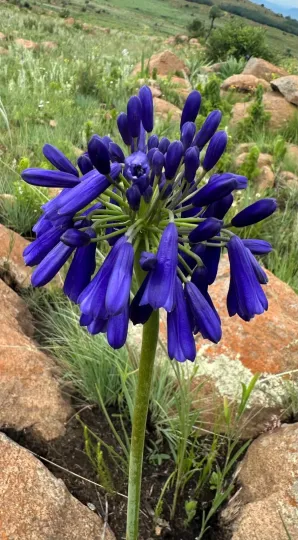
Description
Sowing dates
Sowing of Agapanthus inapertus seeds is usually carried out in late winter or early spring using protected indoor conditions. Seeds often require stratification to ensure high germination rates, so they are sown in moist substrate and kept in cool conditions initially.
A well-draining, loose potting mix composed of peat and perlite is ideal for seed development. The seed trays should be placed in a bright area with temperatures around 18-20 degrees Celsius, ensuring that the soil remains consistently moist but never waterlogged.
Germination can be slow and irregular, sometimes taking up to several weeks. Pricking out seedlings into individual pots is performed once the first two true leaves have formed, which helps in establishing a robust root system before transplanting.
Vegetative propagation via division of established clumps is the preferred method for maintaining true-to-type characteristics. This procedure is best performed in early spring or immediately after the flowering season ends to minimize stress on the plant.
Seedlings and divisions require a gradual acclimatization period before being placed outdoors. This hardening-off process is crucial to help the young plants adjust to ambient temperature fluctuations and direct sunlight without suffering growth retardation.
Growing requirements
Agapanthus inapertus, a member of the Amaryllidaceae family, is a heliophilic plant that demands high levels of sunlight. To ensure maximum flowering and prevent etiolation, it should be cultivated in open, sunny locations with at least eight hours of direct light daily.
The soil requirements are specific: the medium must be fertile, rich in organic matter, and possess excellent drainage. Heavy clay soils that retain excessive moisture should be amended with sand or gravel to prevent the crown and roots from rotting.
Climate tolerance is moderate, as this species is native to warmer regions. In climates with freezing winters, the plant must be protected or moved to a frost-free environment, as temperatures dropping below minus ten degrees Celsius can cause significant damage to the rhizomes.
During the active growing season, consistent moisture is required, though the soil should never become waterlogged. Regular application of balanced liquid fertilizers every two weeks promotes vigorous leaf growth and supports the development of the characteristic drooping flower heads.
The primary use of this crop is in ornamental horticulture, where it is valued for its unique dark blue, pendulous, tubular flowers. It is widely employed in landscaping, border planting, and as a container crop for patios and terrace decoration.
Main diseases and pests
Fungal infections, particularly root rot, are the most significant threats to Agapanthus inapertus, especially in poorly drained soils. Preventing over-irrigation is the primary defense strategy against soil-borne pathogens that compromise the health of the rhizomes.
Pests such as slugs and snails are highly attracted to the succulent foliage of the plant. In indoor or greenhouse environments, the plants may also fall prey to spider mites and mealybugs, which require diligent monitoring and the application of suitable chemical or organic controls.
Botrytis or grey mold may develop under conditions of poor ventilation and high humidity, particularly during the winter storage period. Infected plant parts must be removed promptly and disposed of away from the main planting to avoid the spread of spores.
Viral infections can also affect vigor and flowering quality, necessitating the use of virus-free stock and strict hygiene. Keeping the planting area free of weeds and controlling insect vectors like aphids can significantly reduce the risk of transmission.
Maintaining strong plant health through balanced nutrient supply and proper spacing helps mitigate the impact of disease. A well-nourished plant with adequate airflow is naturally more resilient to environmental stress and potential pest infestations.