
Agapanthus caulescens
Agapanthus caulescens Sprenger
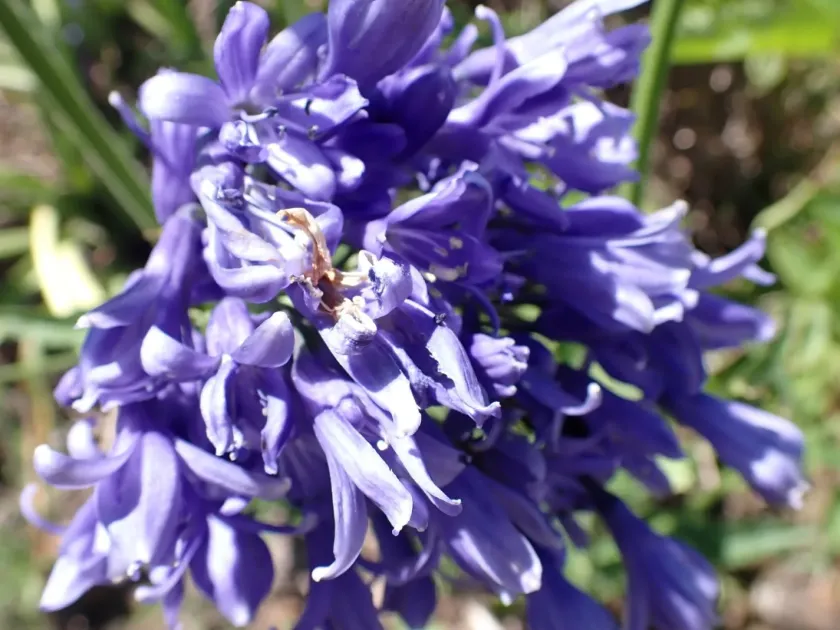
Description
Sowing dates
Propagation of Agapanthus caulescens is primarily performed through seeds or division of the rootstocks. Seeds should be sown in a well-draining, sterile potting mix in late winter, keeping the temperature around 20–22 degrees Celsius to ensure successful germination.
When sowing, seeds require a light covering of soil to allow for optimal light penetration, which is a key factor in germination. Once seedlings reach a height of 5–10 cm, they should be transplanted into individual pots to encourage stronger root formation.
Vegetative propagation via division is the preferred method for established plants to maintain consistent cultivar traits. This should be undertaken in early spring, just as the plant begins to show signs of active growth for the season.
When dividing, ensure each segment has at least one healthy crown and a vigorous root system. Minimal damage to the fleshy, brittle roots is essential to prevent shock and ensure rapid establishment in the new planting site.
Plants divided or transplanted should be kept in a partially shaded environment for the first few weeks to help them recover before being introduced to full sun exposure.
Growing requirements
Agapanthus caulescens, a member of the Agapanthaceae family, is native to the mountain ranges of South Africa. As a sun-loving plant, it performs best in locations that receive full sun for at least six to eight hours a day.
The soil must be fertile, rich in organic matter, and possess exceptional drainage capabilities. While the plant appreciates consistent moisture during the growing season, it is extremely intolerant of waterlogged soil, which often leads to root death.
Regarding climate, this species prefers temperate conditions. It is not fully hardy in freezing temperatures and should be protected with thick mulch or moved to a cool, frost-free shelter in regions with severe winters.
Regular irrigation is vital during the peak of summer, but the soil should be allowed to dry slightly between waterings to maintain a healthy oxygen balance within the root zone and prevent anaerobic conditions.
Nutrient requirements are moderate, and a balanced, slow-release fertilizer applied at the start of the spring growth cycle is usually sufficient to support the development of large, showy flower clusters throughout the summer.
Main diseases and pests
Spider mites are the most common pest, particularly in dry and hot conditions. They thrive on the underside of leaves and can cause significant leaf stippling and yellowing, necessitating the use of specialized miticides or regular misting.
Scale insects can also infest the stems and leaves, extracting plant sap and weakening the overall vigor of the agapanthus. These should be managed by regular physical inspection and the application of horticultural oils or systematic insecticides.
Root rot is the most serious disease risk, caused primarily by fungal pathogens such as Phytophthora. It is almost always a result of poor drainage or overwatering, making the soil environment ideal for pathogen proliferation.
Slugs and snails may attack young shoots during the rainy season. To manage these, gardeners often use barrier methods like copper tape or eco-friendly baits to prevent damage to the foliage and developing flower stalks.
Viral infections may occur, manifesting as mosaic patterns or stunted growth. There is no cure for such viruses, so the best management strategy is the removal and destruction of infected plants to prevent transmission to healthy specimens.