
Ziziphus xylopyrus
Ziziphus xylopyrus
Description
Growing requirements
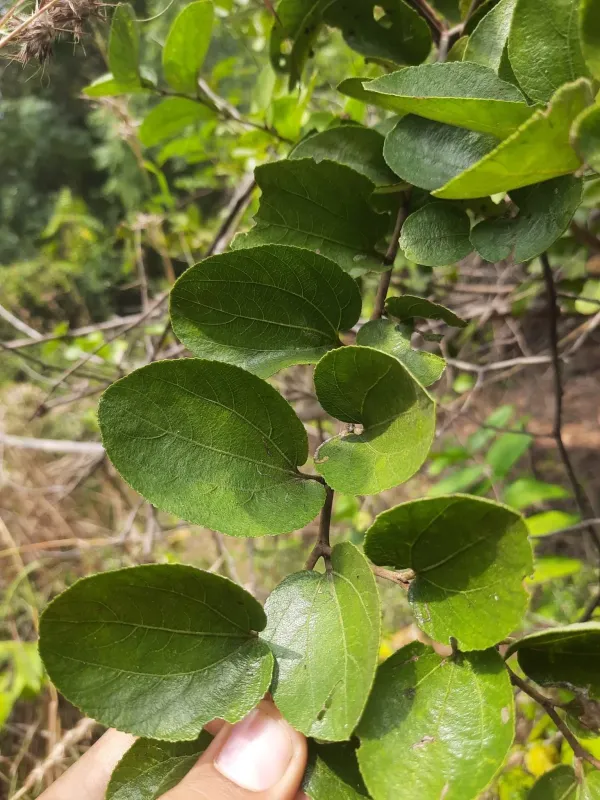
Ziziphus xylopyrus is a distinctive shrub or small tree belonging to the Rhamnaceae family. It is recognized for its dense wood and firm fruits, which set it apart from other more common commercial species in the genus.
The plant is native to dry deciduous forests across the Indian subcontinent and Southeast Asia. Its evolutionary history has made it exceptionally well-adapted to harsh, semi-arid environments and poor-quality soils.
Agricultural success with this species requires full sun exposure and well-drained, porous soil. It does not thrive in heavy, waterlogged clay, as its roots are prone to oxygen deprivation and decay.
The climate requirements for Ziziphus xylopyrus center on warm temperatures and a distinct dry season. It is a highly drought-tolerant species that requires minimal irrigation once established.
Agrotechnical management includes periodic pruning to maintain the desired canopy shape and prevent the development of dense, tangled branches that can harbor humidity-loving pathogens.
Main diseases and pests
Ziziphus xylopyrus exhibits strong natural resistance to many common horticultural pests, likely due to the high concentration of tannins and secondary metabolites present in its leaves and bark.
Root rot remains the most significant threat, typically caused by improper irrigation practices or soil with poor drainage. This issue is particularly critical during the monsoon or rainy seasons.
Leaf spot diseases may occur in regions with consistently high humidity levels, necessitating good spacing between plants to ensure adequate airflow and sunlight penetration.
Scale insects or mealybugs can occasionally infest tender new shoots during the spring growth flush, though infestations are rarely severe enough to cause widespread crop failure.
Integrated pest management should focus on maintaining overall plant vigor and removing any dead or dying wood to reduce potential habitats for secondary invaders.