
Ziziphus oenopolia
Ziziphus oenopolia
Description
Growing requirements
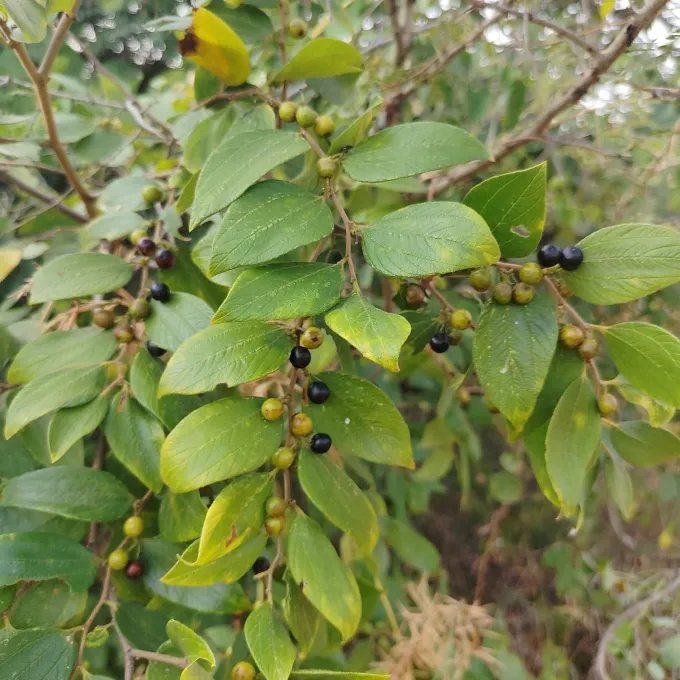
Ziziphus oenopolia is a perennial evergreen shrub or small tree belonging to the Rhamnaceae family. In the wild, this plant is native to tropical and subtropical regions across South and Southeast Asia, including India, Sri Lanka, and Malaysia.
The plant thrives in a tropical climate characterized by sustained warm temperatures and intense sunlight. It is highly sensitive to frost, which restricts its cultivation range to tropical and warm subtropical zones where temperatures rarely drop below freezing.
Optimal growth occurs in light, well-drained sandy or loamy soils with a neutral to slightly alkaline pH. While the species is noted for its drought tolerance, consistent moisture during the peak vegetative stage is essential for fruit development and foliage health.
Agrotechnical management involves pruning the dense, thorny canopy to improve airflow and facilitate easier access for harvesting. Gardeners must handle the branches with care, as the plant is protected by distinct curved spines that grow along the stems.
The economic value of Ziziphus oenopolia is derived from both its edible fruits and its historical use in folk medicine. Various plant parts, such as the bark and roots, contain bioactive compounds that are valued in traditional herbal practices.
Main diseases and pests
Major pests affecting this crop include aphids and scale insects, which feed on tender foliage and sap, potentially stunting the overall growth of the shrub.
In environments with poor ventilation or high humidity, fungal infections like powdery mildew can appear as a white film on the leaves, negatively affecting photosynthesis.
Root rot is a significant risk in areas with poor drainage, as the root system of this species is highly susceptible to damage from prolonged waterlogging.
Integrated pest management, including the use of biological control agents, is recommended to keep pest populations at manageable levels during the growing season.
Maintaining clear, healthy growth through regular pruning is vital, as it eliminates areas where pests and fungal spores can accumulate and spread.