
Ziziphus lotus
Ziziphus lotus
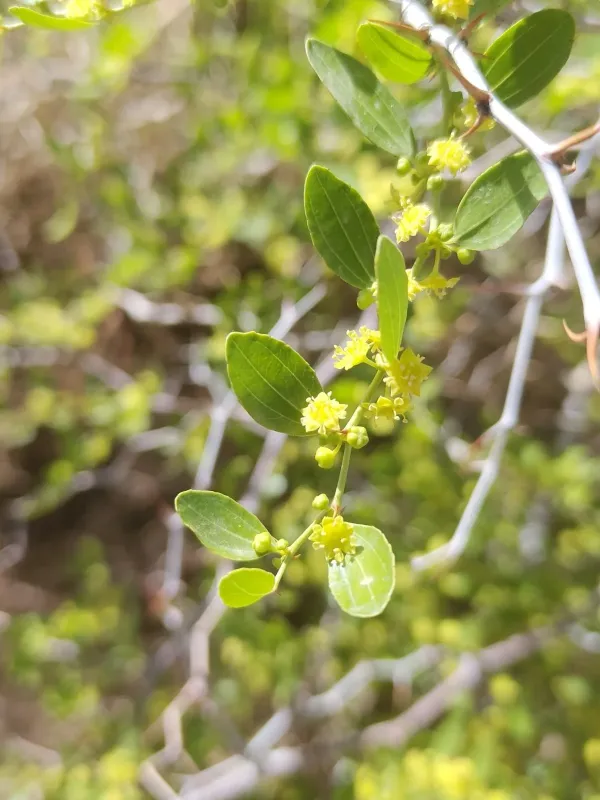
Description
Sowing dates
Ziziphus lotus is a perennial shrub species belonging to the Rhamnaceae family. Propagation is primarily achieved through seeds, which allow the plants to adapt effectively to local environmental conditions.
Sowing in nursery conditions is recommended in the spring after a period of cold stratification, lasting from 30 to 60 days, to ensure optimal germination rates.
Vegetative propagation via cuttings or layering is also possible to preserve specific genetic characteristics, though seed-grown plants remain the standard for large-scale field use.
The ideal time for transplanting seedlings to their permanent location is early spring, when soil temperatures have risen but moisture levels remain sufficient for rapid establishment.
Site selection should prioritize areas with full sun exposure throughout the day, as the plant requires significant thermal energy to support vigorous vegetative growth and fruit maturation.
Growing requirements
The crop is highly resilient and thrives in poor soil conditions, including rocky, calcareous, and moderately saline soils common in arid regions.
Ziziphus lotus is a true xerophyte, demonstrating remarkable tolerance to prolonged drought, intense solar radiation, and extreme summer temperatures.
The plant prefers soil pH levels ranging from 6.5 to 8.5, which aligns with the alkaline environments found in its native Mediterranean habitats.
It possesses a deep, extensive root system capable of accessing water from lower soil horizons, which significantly reduces the need for irrigation after the plant reaches maturity.
In regions susceptible to hard frosts, the plant may require protection during winter, as extreme cold can damage annual shoots and impact yield potential in the following season.
Yield
Productive fruiting typically begins between the third and fifth year after planting, with yield increasing steadily as the plant matures and the root system develops.
Annual yields vary depending on site quality and climate, generally producing between 5 and 15 kilograms of fruit per mature shrub under proper management.
The fruits are small, round drupes that turn a yellowish-brown color upon ripening, offering a distinctively sweet flavor profile highly valued in local diets.
The plant serves multiple agricultural purposes, providing nutritious fruit for fresh consumption, as well as high-quality material for jams, syrups, and sun-dried snacks.
Routine pruning is recommended to maintain a manageable plant architecture and to ensure sustained productivity over the shrub's long lifespan.
Main diseases and pests
Ziziphus lotus exhibits exceptional natural resistance to the majority of common fungal and bacterial pathogens that affect fruit-bearing trees in warm, dry climates.
Minor pest issues may include occasional infestations of scale insects or spider mites, usually occurring only when the plant is significantly stressed by improper care.
High humidity can potentially facilitate bark diseases, but maintaining good airflow through regular thinning of the canopy effectively prevents such occurrences.
Integrated pest management strategies focusing on cultural practices, such as proper spacing and removal of debris, are usually sufficient to maintain plant health.
- Use biological control agents if pest populations exceed thresholds.
- Ensure adequate spacing between plants to optimize ventilation.
- Conduct seasonal health checks on the main stems to detect physical injury.
Harvesting
Harvesting takes place during the autumn months when the fruit reaches its physiological maturity, characterized by a change in color and softened skin texture.
Because fruit on a single shrub matures at different rates, multiple harvests are required to ensure that all fruit is picked at its peak sweetness and quality.
Careful handling is essential during picking to avoid bruising or skin rupture, which can significantly reduce the shelf life of the harvested fruit.
Post-harvest, the fruit can be kept in a cool, ventilated environment for immediate use or processed into dried products for long-term storage.
Drying the fruit is a traditional and highly effective method for preserving nutrients, ensuring that the harvest remains useful for extended periods throughout the year.