
Parry's Jujube
Ziziphus parryi
Description
Growing requirements
Parry's Jujube (Ziziphus parryi) is a unique shrub species belonging to the Rhamnaceae family. Native to the arid regions of Baja California, this plant has evolved to thrive in harsh environments where water scarcity is a constant factor.
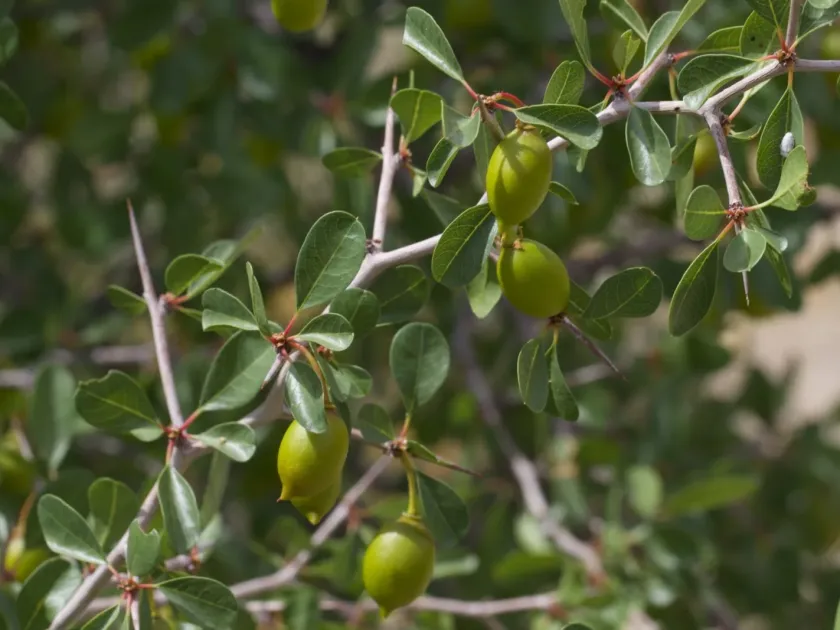
The morphology of the plant includes a spiny, dense canopy that provides protection and reduces water loss. Its deep taproot system allows it to reach moisture reserves far below the soil surface, ensuring survival during prolonged droughts.
Climate requirements for this species are centered on high heat and ample sunlight. It is essential for growers to place these shrubs in open areas where they can receive maximum sun exposure throughout the day to encourage fruit set.
Regarding soil preferences, the species requires excellent drainage. While it can adapt to poor, rocky, or sandy soils, it absolutely refuses to grow in heavy, waterlogged clay which invites root rot and nutritional imbalances.
In terms of agricultural management, the plant requires minimal fertilization. Over-fertilization, especially with nitrogen, can lead to excessive vegetative growth at the expense of fruit production, which is a common error in beginner cultivation.
Main diseases and pests
The primary threats to Ziziphus parryi are almost entirely related to moisture mismanagement. Fungal pathogens and root rot are the most common killers of this species when grown in regions with excessive rainfall or humidity.
Scale insects and spider mites are potential pests that can affect the foliage and branches. These usually appear when the plant is under stress from drought or improper light conditions, weakening its natural defenses.
Mechanical damage to the bark, often caused by improper pruning tools, acts as a vector for various bacterial infections. Clean, sterilized equipment is mandatory when performing any structural maintenance on the shrub.
Weed competition should be strictly controlled within the dripline area. Weeds compete for nutrients and moisture, and their presence keeps the microclimate near the base of the plant too humid for the health of the jujube.
Maintaining a balanced ecosystem around the plant is the best strategy for pest control. Encouraging natural predators and avoiding heavy chemical applications will preserve the health and longevity of the shrub.