
Buffalo thorn
Ziziphus mucronata
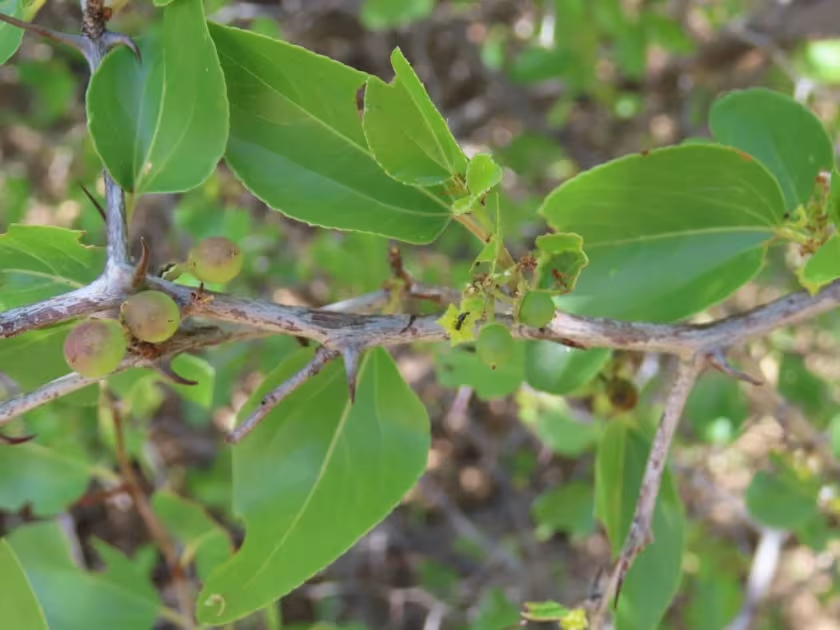
Description
Sowing dates
The propagation of Ziziphus mucronata is typically achieved through seeds or stem cuttings. Seeds require stratification to break dormancy, as they possess a thick and hard protective coat.
Sowing in open fields should occur during the spring when soil temperatures consistently stay above 15 degrees Celsius. Ensuring proper moisture levels is crucial for seedling establishment.
For container-grown seedlings, a well-draining, loose substrate is recommended. The best time for transplanting young plants to their permanent location is at the start of the rainy season.
Spacing between trees must be approximately 4–5 meters to accommodate the wide, spreading canopy of the mature tree, ensuring each specimen receives adequate sunlight for photosynthesis.
Young plants benefit from shade during the hottest parts of the day for the first two years of their life to prevent sunburn and thermal stress on tender leaves.
Growing requirements
Ziziphus mucronata is a highly drought-tolerant, light-loving tree from the Rhamnaceae family. It is naturally adapted to the challenging environments of sub-Saharan Africa.
The tree thrives in well-drained sandy or loamy soils with neutral to slightly alkaline pH levels. It exhibits significant tolerance to soil salinity, making it useful for land reclamation.
Full sun exposure is vital for optimal development and fruit production. Shaded environments will result in stunted growth and a significant reduction in annual harvest yields.
While the tree is exceptionally heat-resistant, it is sensitive to severe frost. In temperate zones, it requires protection or greenhouse conditions during the winter months.
A balanced irrigation schedule is necessary; however, overwatering and waterlogging must be avoided at all costs to prevent root rot and physiological decay.
Yield
The fruit of the Buffalo thorn consists of small, mealy drupes that ripen gradually. Yields are heavily dependent on tree age, soil quality, and the presence of sufficient pollinators.
As a long-lived species, these trees provide consistent production for several decades. Beyond the fruit, the wood is highly valued for its durability and resistance to pests.
The fruits can be consumed fresh, dried, or infused in beverages. Their high sugar and nutrient content make them an excellent supplement for medicinal and dietary purposes.
Commercial harvesting and maintenance involve regular crown pruning. This practice helps manage tree height, improves light penetration, and facilitates easier fruit collection.
Because the tree is a reliable producer in arid regions, it serves as a crucial subsistence resource, providing both nutrition and material for traditional pharmacological use.
Main diseases and pests
Ziziphus mucronata possesses natural resistance to many common fruit tree diseases due to the presence of secondary metabolites like alkaloids and saponins in its tissues.
Spider mites and scale insects are the most frequent pests, particularly in hot, arid conditions. Monitoring the underside of leaves is recommended for early detection.
Root rot is the primary threat to health and usually stems from poor drainage or excessive soil moisture. Maintaining a dry, well-draining root zone is the best preventative measure.
The use of integrated pest management (IPM) is preferred, utilizing bio-insecticides when necessary to maintain the ecological balance and the quality of the edible fruit.
Removing dead branches and debris from the base of the tree minimizes the risk of fungal infections and creates a cleaner environment for the tree to thrive.
Harvesting
Harvesting is performed once the fruits reach full physiological maturity, indicated by a transition in color to a dark brown and a softening of the flesh.
Fruits should be picked carefully by hand to avoid bruising the skin. Any mechanical injury to the fruit significantly shortens its shelf life and promotes rapid spoilage.
Once harvested, fruits should be sorted and stored in a cool, dry area with good ventilation to ensure longevity. Proper drying techniques can extend their shelf life considerably.
Commercial processing may involve turning the fruit into preserves or jams. Their nutritional density makes them a versatile ingredient in various artisanal food products.
Maintaining a clean, controlled environment for storage is essential for minimizing post-harvest losses and ensuring the quality of the final agricultural product.