
Mistol
Ziziphus mistol
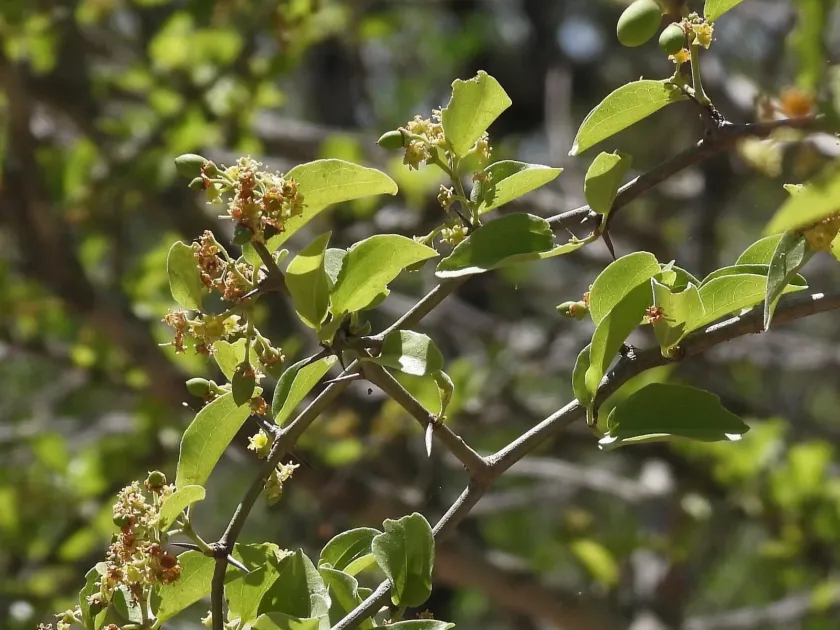
Description
Growing requirements
Mistol (Ziziphus mistol) is a significant woody species belonging to the Rhamnaceae family. It is native to the South American Gran Chaco region, thriving in arid and semi-arid environments where other crops often fail.
Botanically, it is a sturdy tree with spiny branches and a deep root system. Its morphology is specifically adapted to maximize water uptake and survive prolonged droughts, often reaching heights of 10 to 12 meters in natural habitats.
The tree requires well-drained soil and thrives in various textures, from sandy loams to rocky soils. Its tolerance to salinity and low fertility makes it an excellent candidate for reforestation in degraded lands.
Regarding climate, Ziziphus mistol requires high thermal sums and abundant sunlight throughout the growing season. It is not frost-hardy and is strictly adapted to subtropical and tropical climates.
Agricultural management is relatively simple as the tree is exceptionally robust. Initial establishment requires protection from grazing animals and minimal irrigation until the root system is well-anchored in the soil.
Yield
The primary economic value of the Mistol tree lies in its fruit, which is highly appreciated by local communities. The berries are sweet, nutrient-dense, and widely used in regional gastronomy.
Processed products from the fruit include traditional jams, syrups, and fermented beverages. Its consumption is often linked to traditional medicine due to its perceived health benefits and tonic properties.
The wood of Ziziphus mistol is considered high-quality due to its density and extreme durability. It is extensively used for rural infrastructure, tool handles, and producing high-energy charcoal.
Harvesting is typically done when the fruit reaches full maturity, usually identified by the deep color of the skin. Proper handling post-harvest is required to ensure the fruit remains suitable for secondary processing.
Yields can be maintained through selective pruning and ensuring appropriate spacing between trees, which allows for better airflow and easier access during the harvesting period.
Main diseases and pests
One of the key advantages of Ziziphus mistol is its natural resistance to pests and diseases. The presence of secondary metabolites in its tissues acts as a defense mechanism against many common herbivores.
The most significant threat to the tree's health is waterlogging, which can lead to root rot. Avoiding poorly drained sites is the single most important preventive measure in the cultivation of this species.
Occasional infestations by defoliating insects may occur, but they rarely reach threshold levels that require chemical intervention in healthy, well-established plantations.
Maintaining clear ground around the trunk and preventing mechanical damage to the bark are essential practices to reduce the risk of pathogen entry and maintain overall plant vigor.
Integrated management plans focus on preserving the surrounding ecosystem biodiversity, which helps to maintain a balance between the crop and potential native pests.