
Ziziphus taylorii
Ziziphus taylorii
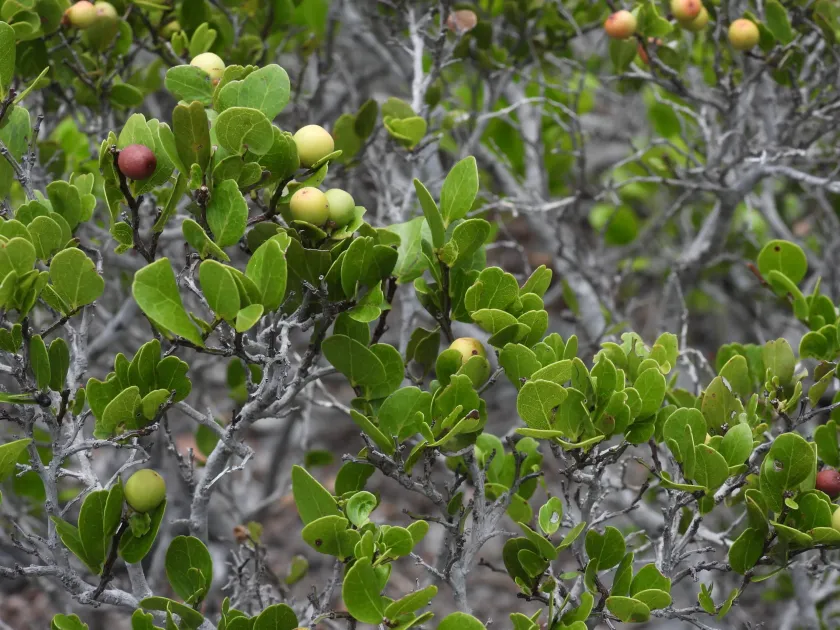
Description
Growing requirements
Ziziphus taylorii is a specialized species belonging to the Rhamnaceae family, characterized by its adaptation to challenging ecological niches and distinct growth habits.
The plant thrives in full sun exposure, which is vital for the maturation of its fruit and the overall health of its dense, woody architecture.
Regarding soil conditions, this species requires well-drained, porous media that prevents moisture accumulation around the root collar, thus avoiding potential root rot.
It prefers regions with long, warm growing seasons. While it demonstrates some resilience to drought, providing supplemental irrigation during the peak summer heat can improve vegetative biomass.
Agricultural management should focus on maintaining a balanced soil pH and providing essential micronutrients, especially if the plant is grown in containers or nutrient-poor substrates.
Yield
The economic value of Ziziphus taylorii is primarily attributed to the biochemical profile of its fruit, which contains various health-promoting phytochemicals.
Beyond human consumption, the plant serves as a significant resource for ecological restoration in its native ranges, supporting local biodiversity and pollinators.
Successful yield management involves structural pruning to allow sunlight penetration, which directly correlates with the concentration of sugars and nutrients in the fruit.
Harvested produce can be processed into various functional food products, increasing the profitability of the crop for small-scale specialty farming operations.
Data suggests that consistent yield increases can be achieved through selective breeding programs focused on improving fruit size and resistance to environmental stress.
Main diseases and pests
The species is susceptible to various fungal pathogens that flourish in high-humidity microclimates, potentially causing foliar chlorosis or premature leaf drop.
Common insect pests, including certain species of mites and larvae, may target the tender leaves and developing fruit, necessitating integrated pest management strategies.
- Monitor for leaf discoloration regularly.
- Apply preventative fungicides during rainy seasons.
- Ensure adequate spacing between trees to prevent pest spread.
Sanitation of the orchard area is crucial; removing fallen leaves and decaying fruit debris reduces the overwintering capacity of common plant pathogens.
Early identification of pest infestations allows for targeted and efficient control measures, minimizing the need for extensive chemical interventions in the crop area.