
Ziziphus rugosa
Ziziphus rugosa
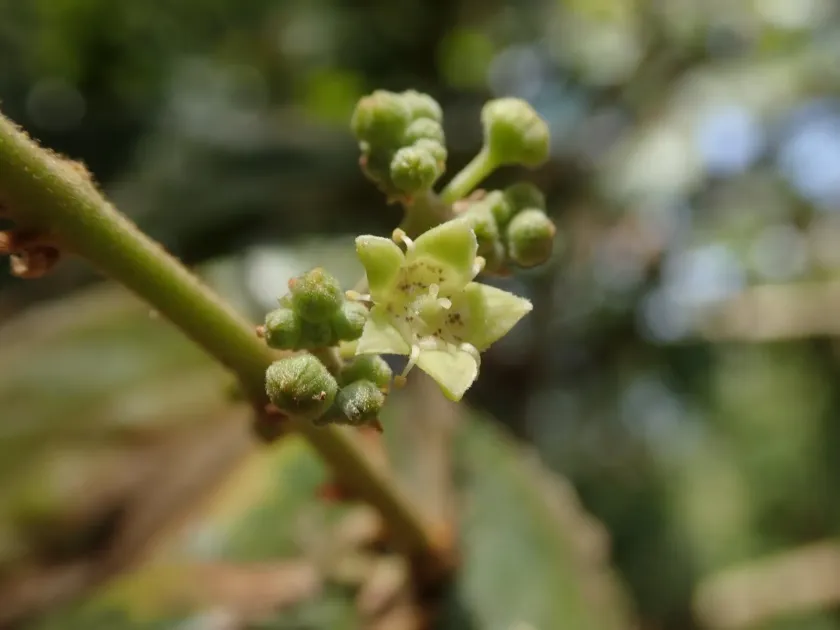
Description
Growing requirements
Ziziphus rugosa, commonly known as a member of the Rhamnaceae family, is a woody vine or shrub native to the tropical forests of India and Southeast Asia. Its botanical architecture is distinct, often exhibiting a spreading habit that requires support if maintained as a vine, or structural pruning if grown as a tree.
The plant thrives in warm, tropical climates and is highly sensitive to frost, which limits its outdoor cultivation to temperate and tropical regions. It prefers well-drained soils and demonstrates significant resilience in various soil types, although fertile, moisture-retentive soils lead to superior vegetative growth.
Agrotechnical management requires adequate spacing to prevent overcrowding and to ensure sufficient light penetration, which is essential for fruit production. Regular irrigation is necessary during the establishment phase and the peak growing season to support the plant's metabolic demands in warmer environments.
Pruning is a crucial aspect of Ziziphus rugosa management, aimed at shaping the plant and removing dead or diseased wood to promote better air circulation. This practice not only enhances the aesthetic value of the plant but also contributes to better management of potential pests and diseases.
The economic value of Ziziphus rugosa is found in its edible fruits, which are consumed locally and valued for their nutritional content. Beyond food, various parts of the plant are utilized in traditional medicine systems, highlighting its potential for further research in botanical pharmacology and commercial fruit production.
Main diseases and pests
The primary threats to Ziziphus rugosa include fungal pathogens such as powdery mildew or leaf spot diseases, especially in regions with high humidity. Maintaining proper garden hygiene and ensuring the plant remains vigorous through proper fertilization can significantly reduce susceptibility to these infections.
Insect pests such as sap-sucking insects or fruit-boring larvae can pose a risk to the quality of the harvest. Integrated pest management strategies, including the use of neem oil or natural predators, are recommended to maintain a balance and protect the plant without over-relying on synthetic chemical treatments.