
Ziziphus rivularis
Ziziphus rivularis
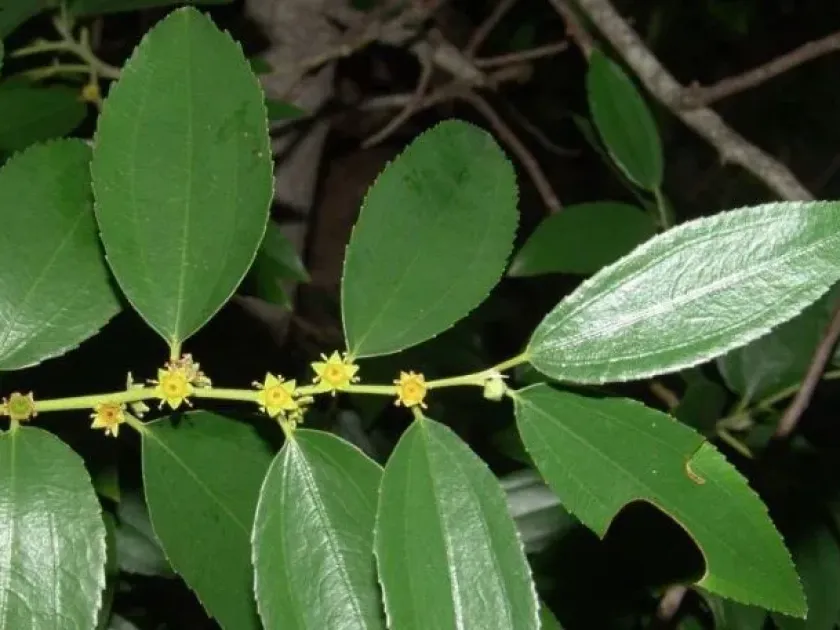
Description
Growing requirements
Ziziphus rivularis is a species of woody plant belonging to the Rhamnaceae family. It is native to specific habitats in South America, where it typically develops in riparian zones, showcasing a high adaptation to diverse moisture conditions within its natural geographic range.
The plant thrives in warm, tropical, and subtropical climates. It requires significant solar exposure to maximize photosynthetic activity and ensure vigorous branch growth. While tolerant of various conditions, it performs best when protected from extreme, chilling winds that can damage tender foliage.
Soil composition should ideally be loamy or sandy-clay, characterized by excellent drainage. While the species originates from riverine environments, it does not tolerate waterlogged soil for extended periods, as this induces root hypoxia. Proper site preparation with organic amendments is essential for early development.
Agrotechnical maintenance focuses on structural pruning during the dormant season to encourage an open canopy. This practice not only improves light penetration but also facilitates easier pest monitoring, which is critical for maintaining the overall health and longevity of the specimen.
Water management is vital during the establishment phase. Once the root system is well-integrated into the soil, Ziziphus rivularis exhibits remarkable drought resistance. However, periodic deep irrigation during the peak growing season will significantly boost the production of biomass and fruit.
Main diseases and pests
Pest management primarily involves monitoring for mite infestations, particularly in low-humidity environments. These pests can rapidly colonize leaf surfaces, causing yellowing and premature leaf drop. Use of biological controls or targeted miticides is recommended as an effective management strategy.
Fungal pathogens such as leaf spot are common threats in areas with poor airflow and high rainfall. To minimize these risks, it is essential to ensure adequate spacing between individual trees during planting and to remove any dead or infected plant tissue immediately to prevent pathogen spread.