
Ziziphus rignonii
Ziziphus rignonii
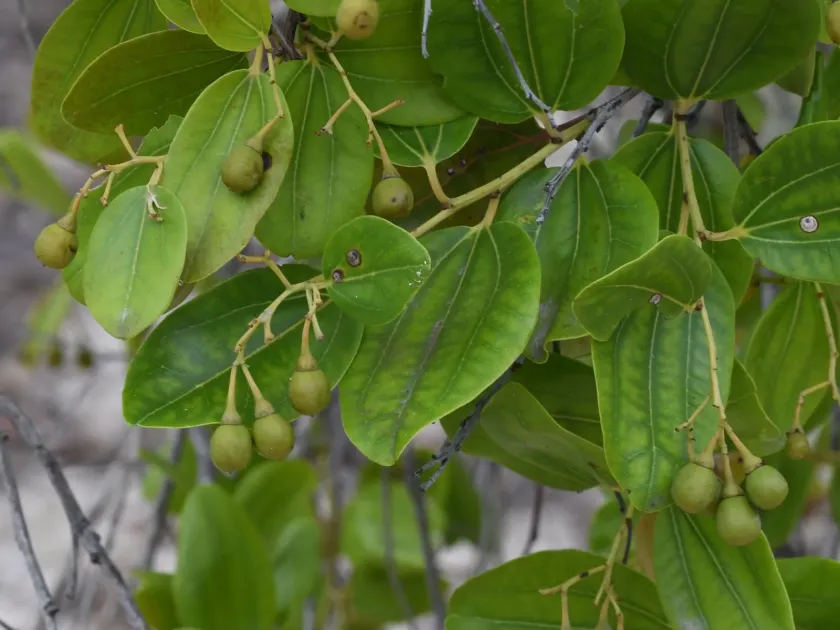
Description
Growing requirements
Ziziphus rignonii is a member of the Rhamnaceae family, characterized by its adaptation to subtropical environments. As a perennial plant, it thrives in regions with extended warm seasons and high thermal accumulation during the vegetation period.
Sunlight exposure is the most critical factor for this species. To ensure proper photosynthesis and fruit maturation, the tree requires a site with full sun exposure throughout the day, avoiding any shading from larger trees or buildings.
The plant prefers well-draining, slightly alkaline to neutral soil. Sandy loam soils are ideal as they prevent water stagnation, which is the primary cause of root asphyxiation in Ziziphus species. Deep soil preparation before planting is recommended.
Water requirements are moderate, with the plant showing significant drought tolerance once established. However, consistent moisture is vital during the flowering and fruit-setting stages to prevent fruit drop and ensure high yield quality.
General maintenance includes annual pruning to maintain a manageable size and enhance airflow within the canopy. Applying a balanced NPK fertilizer during early spring promotes vigorous growth and prepares the tree for the summer heat.
Main diseases and pests
The main threats to Ziziphus rignonii health are fungal pathogens, specifically powdery mildew, which can colonize leaves in humid conditions. Ensuring proper spacing between trees helps to maintain adequate air circulation.
Insect pests such as spider mites and scale insects are known to infest the plant, particularly in sheltered or poorly ventilated environments. Regular monitoring of leaf undersides is essential for early detection.
Root rot caused by Phytophthora species may occur if the soil remains waterlogged for extended periods. Improving soil structure and avoiding excessive irrigation are the primary preventive strategies against such soil-borne diseases.
Integrated pest management, including the use of neem oil or targeted insecticides, can effectively control pest populations without causing significant harm to the surrounding ecosystem or beneficial insects.
Maintaining high hygiene standards in the orchard, including the removal of fallen debris, is crucial for preventing the overwintering of pathogens that could compromise the tree's health in subsequent growing seasons.