
Ziziphus reticulata
Ziziphus reticulata
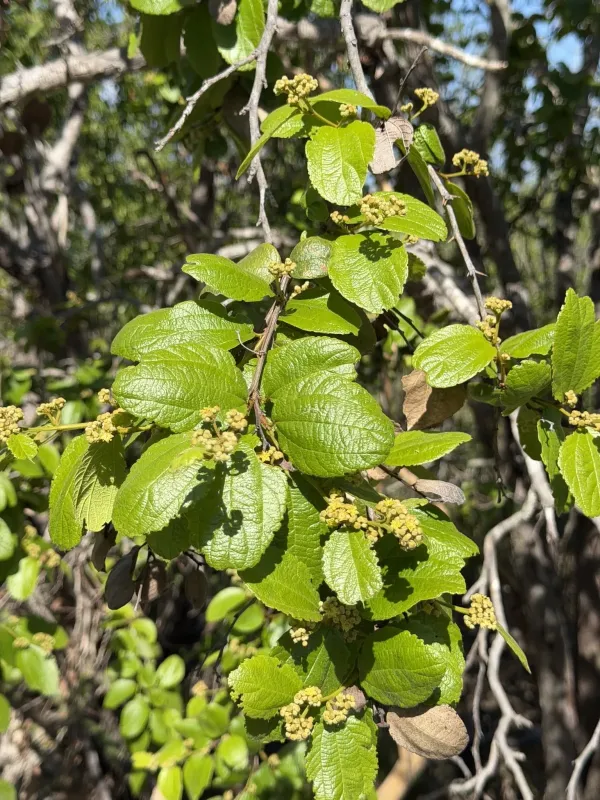
Description
Growing requirements
Ziziphus reticulata is a species belonging to the Rhamnaceae family. It is native to tropical regions of Africa, where it has historically been utilized by local populations for its various medicinal and nutritional properties.
This species thrives in warm, tropical climates. It requires consistent high temperatures and is sensitive to frost, making it unsuitable for cultivation in temperate zones without protected greenhouse conditions.
The plant grows best in well-drained, fertile soil. While it can adapt to various soil types, maintaining a neutral or slightly acidic pH level is ideal for the nutrient absorption required for healthy canopy development.
Full sun exposure is a fundamental requirement for Ziziphus reticulata. Sufficient solar radiation ensures that the tree achieves optimal flowering and fruit maturation, contributing to higher yields.
In terms of economic utility, the tree is valued for its fruits, which have culinary potential, and its timber, known for durability. Various parts of the plant are also investigated for their pharmacological profiles.
Main diseases and pests
The main threats to Ziziphus reticulata include fungal pathogens that thrive in humid environments. Proper site selection that promotes excellent air circulation is crucial to preventing mildew and rot diseases.
Insect pests, particularly scale insects and spider mites, are common challenges for this species. These pests can significantly weaken the tree if infestations are left unchecked by regular monitoring.
Prevention of these pests involves careful maintenance, such as keeping the base of the tree clear of debris and weeds that could act as shelters or secondary hosts for the insects.
In cases of severe infection, targeted management practices are necessary. This includes the removal of diseased branches and the application of appropriate treatments to maintain the overall vigor of the individual specimen.
Soil management remains a key factor in threat prevention. Avoiding over-irrigation reduces the likelihood of root diseases, ensuring that the tree maintains a strong, healthy root system throughout its lifecycle.