
Ziziphus pubescens
Ziziphus pubescens
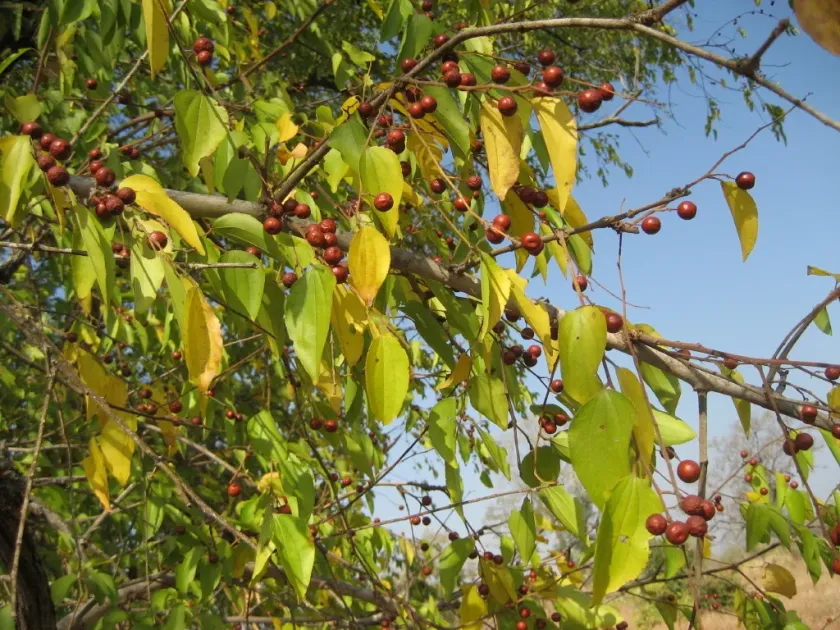
Description
Growing requirements
Ziziphus pubescens is a woody perennial species belonging to the Rhamnaceae family, primarily native to tropical and subtropical regions of Africa. This plant is recognized for its pubescent leaves and stems, which serve as a physiological adaptation to arid environments.
The culture thrives in warm climates characterized by distinct growing seasons. It is highly drought-tolerant, which makes it an interesting subject for agroforestry in regions with low precipitation, provided that the soil conditions allow for root development.
Optimal growth requires well-drained soil with a neutral to slightly alkaline reaction. The plant is highly sensitive to waterlogging, necessitating planting sites on well-drained slopes or the installation of an artificial drainage system to prevent root diseases.
Abundant sunlight is crucial for the development of Ziziphus pubescens. Exposure to full sun throughout the day is essential for both the biomass production and the maturation of high-quality fruits, which are economically valuable.
Cultural practices include systematic pruning to manage tree shape and prevent canopy overcrowding. Pruning is usually performed during the dormant season to stimulate new growth in the spring and to maintain an open structure for air circulation.
Yield
The productivity of Ziziphus pubescens depends significantly on the tree's age and environmental factors. Under optimal management, trees begin to bear fruit early, and yields increase steadily as the canopy matures.
While specific yield data varies by habitat, the species is valued for its regular production of edible drupes. Fruit quality depends on consistent watering during the fruit-set period and adequate nutrient management during the pre-flowering stage.
Main diseases and pests
Common pests include spider mites and scale insects that feed on the foliage and younger branches, especially in dry environments. Regular inspection of the undersides of leaves is recommended for early detection and mitigation.
Fungal pathogens represent the main disease risk, often triggered by excessive humidity or poor plantation hygiene. Maintaining proper spacing and ensuring excellent air circulation around the tree canopy are the best preventative measures against potential outbreaks.