
Zamia soconuscensis
Zamia soconuscensis
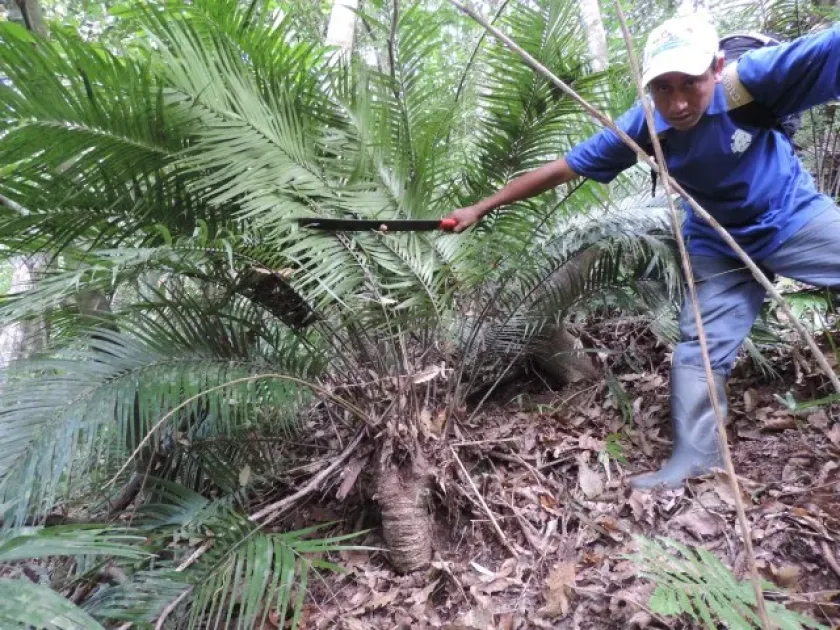
Description
Growing requirements
Zamia soconuscensis is a rare and highly prized member of the Zamiaceae family. This prehistoric-looking plant is a true cycad, characterized by a thick, tuberous stem and long, pinnately compound leaves that radiate from the center.
Originating from the Soconusco region in Chiapas, Mexico, this species is naturally adapted to the humid, shaded environments of tropical rainforests. It is a slow-growing plant that requires patience and specific horticultural attention.
Soil composition is critical for this species; it must be exceptionally well-draining. A mix of coarse pumice, perlite, and organic peat provides the aeration necessary for the roots to breathe while maintaining appropriate humidity levels.
Climatic requirements involve constant warmth. As a tropical species, it cannot tolerate frost or temperatures below 15°C for extended periods. It thrives in environments with high ambient humidity, often found in specialized greenhouses.
Light management requires a balance between sufficient energy for growth and protection from scorching. Bright, filtered light is ideal, as direct noon sun can damage the tough leaf tissue and fade the dark green color.
Main diseases and pests
Root rot, primarily caused by excessive irrigation, is the most lethal threat to Zamia soconuscensis. Once the root system is compromised, the plant is difficult to revive, necessitating strict water management practices.
Scale insects and mealybugs are the primary pests that affect this cycad. They hide in the crevices of the leaf bases, making manual removal or systemic pesticide application essential for long-term control.
Spider mites can become a major issue if the greenhouse environment becomes too arid. Maintaining consistent air circulation and proper moisture levels helps keep mite populations under control without needing heavy chemical interventions.
Regular sanitation of the growing area is crucial to prevent the spread of fungal spores. Ensuring that pots are kept off the ground and that no debris accumulates around the base of the plant helps reduce infection risk.
For sustainable care, utilize professional-grade systemic insecticides only when necessary. Because of the plant's slow metabolism, recovery from chemical shock or pest damage is a lengthy process, emphasizing the need for preventative care.