
Coontie
Zamia integrifolia
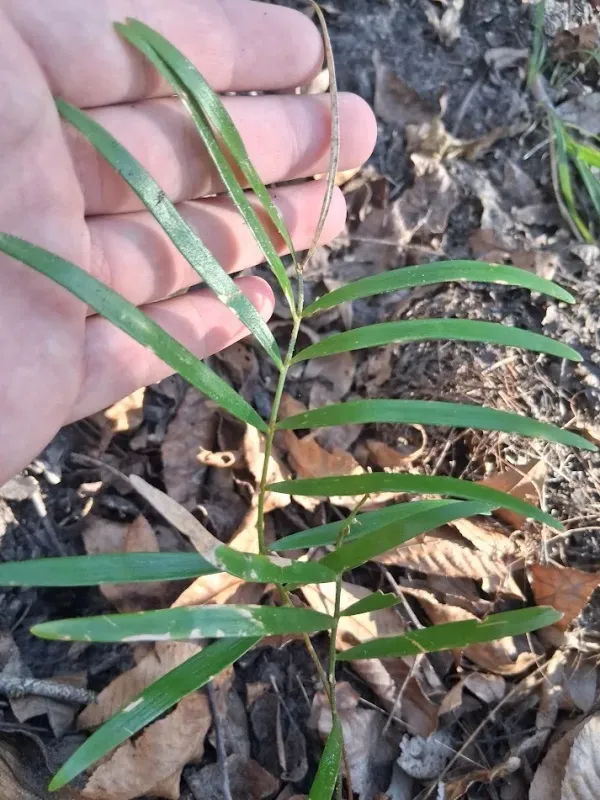
Description
Growing requirements
Coontie (Zamia integrifolia) belongs to the Zamiaceae family and is a slow-growing, long-lived cycad native to Florida and the Caribbean islands, often referred to as Florida arrowroot.
The plant features a subterranean tuberous stem and pinnate leaves that can reach a height of approximately one meter, making it a distinct specimen for landscaping and ornamental horticulture.
Regarding soil requirements, it thrives in well-draining, sandy soils and is highly adapted to low-nutrient environments, often growing naturally in rocky or calcareous substrates.
It prefers full sun to partial shade; however, in interior environments or low-light conditions, the leaf structure may become elongated and less robust, requiring careful light management.
Proper water management is essential: while the plant is somewhat drought-tolerant once established, it requires consistent moisture during the growing season without allowing saturation, which leads to root rot.
Main diseases and pests
Cycad scale (Aulacaspis yasumatsui) is the most devastating pest for Zamia integrifolia, capable of killing the plant by covering the underside of leaves and stems if left unchecked.
Mealybugs are another common threat, causing yellowing and distortion of the leaflets by extracting plant sap and promoting the growth of sooty mold on the foliage.
Fungal pathogens such as Fusarium and Phytophthora can cause significant damage to the roots and crown if the potting medium lacks adequate drainage or if watering practices are incorrect.
Leaf spot diseases are occasionally observed, often triggered by overhead watering or high humidity levels combined with poor air circulation in greenhouse environments.
Integrated pest management (IPM) strategies, including horticultural oils for scale insects and maintaining dry crown areas, are recommended to sustain the health of this agricultural and ornamental plant.