
Zamia fischeri
Zamia fischeri
Description
Growing requirements
Zamia fischeri is a slow-growing member of the Zamiaceae family, native to the tropical and subtropical forests of Mexico. As a cycad, it is highly valued by collectors for its prehistoric appearance and elegant, fern-like foliage.
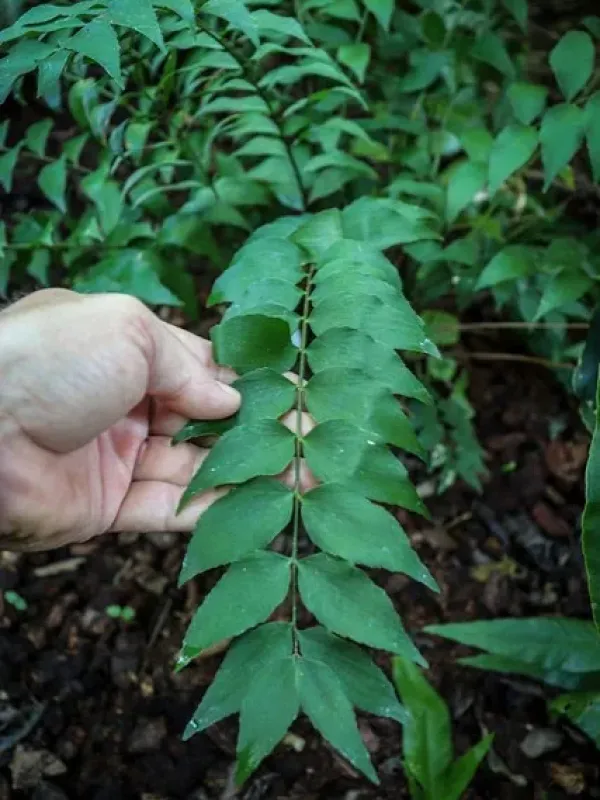
The plant features a tuberous stem that is usually partially subterranean in its native habitat. Its leaves are pinnate, consisting of several leaflets that are narrower and more delicate than those of other Zamia species, giving the plant a refined look.
Cultivation requires a well-draining potting medium, often incorporating coarse sand or perlite. Since the plant is sensitive to moisture retention around its roots, providing a porous substrate is critical for long-term health and development.
Regarding light, Zamia fischeri thrives in bright, indirect light. Exposure to intense, direct noon sun can damage the leaflets, while insufficient light leads to spindly growth and loss of the plant's characteristic compact habit.
Temperature management is straightforward: the plant prefers temperatures between 18°C and 25°C. It is essential to protect it from freezing temperatures and cold drafts, as the plant is not frost-tolerant and may suffer tissue damage in cold environments.
Main diseases and pests
Root rot is the primary physiological threat to Zamia fischeri, typically caused by overwatering or poor drainage. Once the tuber begins to rot, the plant is extremely difficult to salvage, emphasizing the need for a 'dry-out' period between waterings.
Mealybugs are the most persistent insect pests, often found tucked into the base of the petioles or in the crevices of the crown. Early detection and treatment with neem oil or systemic insecticides are necessary to prevent infestation.
Scale insects are another common problem, appearing as small brown or black bumps on the stems and leaves. These pests sap the vitality of the plant and are best managed by manual removal followed by appropriate chemical treatment.
Spider mites may manifest in low-humidity environments, particularly during winter. They cause stippling on the leaves and can significantly impact the plant's aesthetic value if left untreated for an extended period.
Maintaining proper hygiene and good air circulation around the plant helps mitigate the risk of fungal leaf spots. Keeping the foliage dry during irrigation is a simple yet effective preventative measure against various pathogens.