
Zamia kickxii
Zamia kickxii
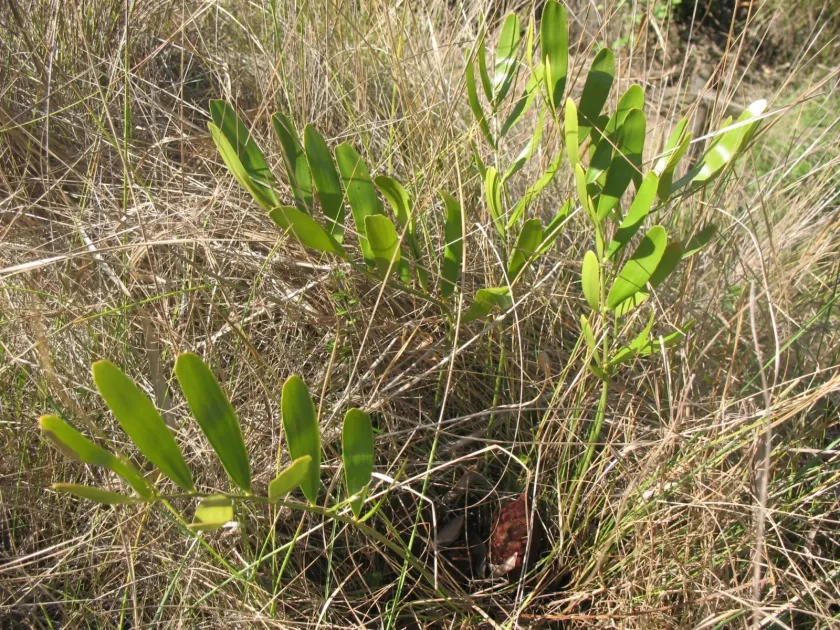
Description
Growing requirements
Zamia kickxii is a rare cycad species belonging to the Zamiaceae family. It is native to the rocky limestone regions of Cuba and exhibits a slow growth habit, characteristic of the genus, developing a distinctive tuberous stem.
This crop thrives in well-draining, porous substrates. A mix consisting of volcanic rock, coarse sand, and organic humus is recommended to mimic its natural limestone habitat and prevent root hypoxia.
Climate requirements include high ambient temperatures and consistent moisture. The plant performs best in environments where temperatures remain between 20°C and 30°C throughout the year, avoiding sudden frost or chilling.
Light intensity is a critical factor. While Zamia kickxii can tolerate semi-shaded conditions, it requires bright, filtered light to maintain its structural integrity and leaf coloration without triggering stress responses.
Water management must be precise. The substrate should be allowed to dry out significantly between watering sessions, as the plant is highly susceptible to waterlogged conditions that lead to immediate root system decay.
Main diseases and pests
Root rot caused by Phytophthora and Pythium species remains the primary threat to this plant. Over-watering and poor drainage exacerbate these fungal infections, which are often fatal to mature specimens.
Scale insects and mealybugs are the most common pests. These insects congregate under the leaflets and around the base of the crown, draining nutrients and weakening the plant's natural immune response.
Spider mites represent a secondary threat, particularly in dry indoor environments. They pierce the leaf cuticle to extract fluids, resulting in mottled yellow patterns and stunted development of new fronds.
Cultural control, such as maintaining optimal airflow and avoiding overhead irrigation during cooler periods, is the first line of defense against foliage-based pathogens and pest colonization.
Chemical control involving systemic insecticides is effective but should be used judiciously. Growers must ensure that any treatments used do not contain phytotoxic additives that could damage the sensitive cuticle of the cycad leaves.