
Zamia loddigesii
Zamia loddigesii
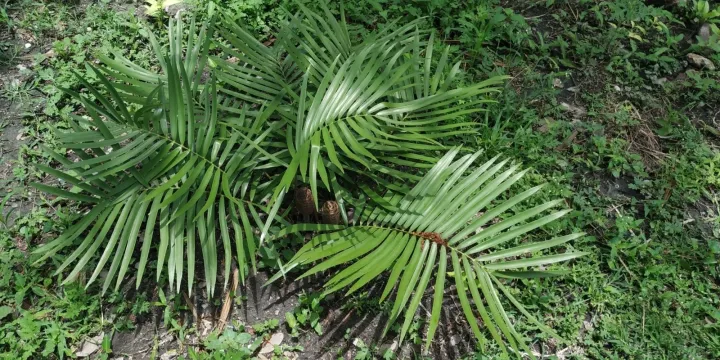
Description
Growing requirements
Zamia loddigesii belongs to the Zamiaceae family and is a slow-growing cycad native to Mexico. This species is highly valued in horticulture for its ornamental value, characterized by its sturdy, pinnate, dark green leaves.
The plant thrives in well-drained, porous soil mixtures. A typical professional substrate includes a blend of coarse sand, perlite, and organic peat to ensure that the root system receives sufficient oxygen without water stagnation.
Regarding light, it prefers bright, indirect light. While mature specimens can tolerate some direct morning sunlight, intense exposure during the afternoon in hot climates can cause significant leaf scorch, reducing the plant's decorative appeal.
Climate requirements involve maintaining temperatures between 20°C and 28°C during the growing season. In winter, keeping the plant in a cooler environment, ideally around 15°C, helps initiate a natural dormancy period necessary for vigor.
Watering should be approached with caution. It is essential to allow the soil to dry out between watering sessions, as the plant possesses a tuberous root system that is highly susceptible to rot if kept consistently wet.
Main diseases and pests
Scale insects are among the primary threats to Zamia loddigesii. These pests cling to the fronds, feeding on sap. Infestations should be treated immediately with horticultural oils or specific systemic insecticides.
Spider mites are a common concern in environments with low humidity. They typically attack the undersides of leaves, causing yellowing and webbing. Increasing ambient humidity is a key preventative measure against these mites.
Root rot is the most common disease associated with over-watering. It manifests as a softening of the caudex and yellowing of the foliage; if detected, the plant must be repotted immediately into dry, sterile media.
Mealybugs can often be found in the crown of the plant where new fronds emerge. Their presence is indicated by a white, cottony substance, which requires manual removal followed by targeted chemical treatment.
- Regular inspection of the plant crown.
- Monitoring leaf undersides for early signs of pests.
- Using sterilized pots for all potting procedures.
- Applying systemic treatments only when necessary.