
Narrow-leaf zamia
Zamia angustifolia
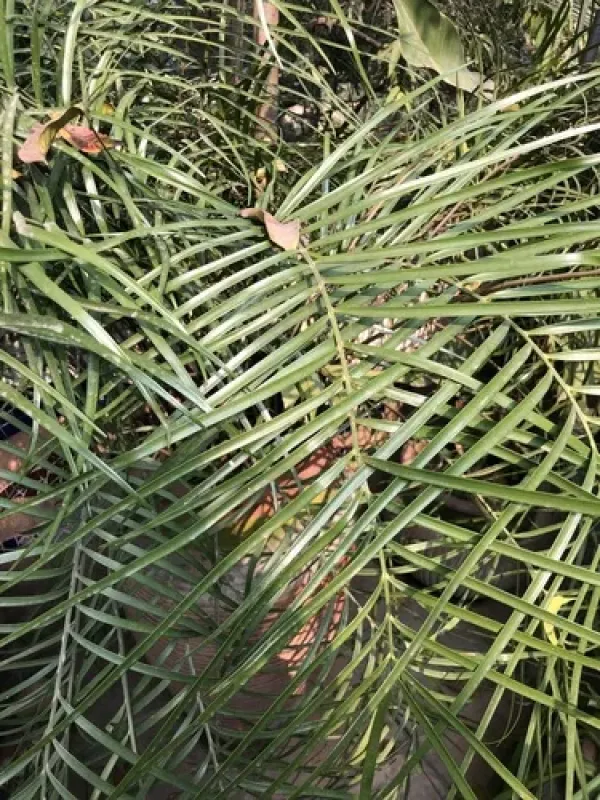
Description
Growing requirements
Zamia angustifolia is a distinct member of the Zamiaceae family, known for its narrow leaflets and slow-growing habit. This plant is a typical representative of ancient cycads, displaying a primitive vascular structure.
Originating from the Caribbean, particularly Cuba, this species thrives in dry, rocky terrain. In agricultural settings, it requires high light intensity, although it must be protected from scorching midday sun to prevent leaf bleaching.
Soil requirements for Zamia angustifolia are strictly based on drainage. The substrate must consist of porous materials such as coarse sand, volcanic rock, and a minimal amount of organic compost to mimic its native limestone-rich environment.
Temperature management is crucial; the plant performs best in a range of 20-30°C. It can tolerate slight fluctuations but must be shielded from frost, which can cause irreversible damage to the vascular tissue of the caudex.
Watering practices should follow a cycle of deep irrigation followed by complete drying of the substrate. This cyclic approach prevents root hypoxia and mimics the natural precipitation patterns of its native tropical habitat.
Main diseases and pests
Scale insects are the most persistent pests for this species. They cluster along the rachis and the base of the leaflets, extracting sap and weakening the plant's structural integrity over long periods.
Mealybugs present a secondary threat by secreting honeydew, which leads to the growth of sooty mold. This mold blocks stomatal gas exchange, further stressing the plant and reducing its photosynthetic efficiency.
Root rot, typically caused by waterlogged soil, is the primary killer of Zamia angustifolia. Symptoms include yellowing of leaves and lack of vigor in new flushes, indicating that the root system has failed to maintain cellular metabolism.
Fungal leaf spot (Cercospora or Gloeosporium species) may occur if the foliage remains wet for prolonged periods. Maintaining dry foliage and ensuring adequate air movement is essential to preventing these fungal outbreaks.
Integrated pest management protocols involving the use of horticultural oils and neem-based products are highly recommended, as they provide a safer alternative for the long-term maintenance of these slow-growing perennials.