
Zamia restrepoi
Zamia restrepoi
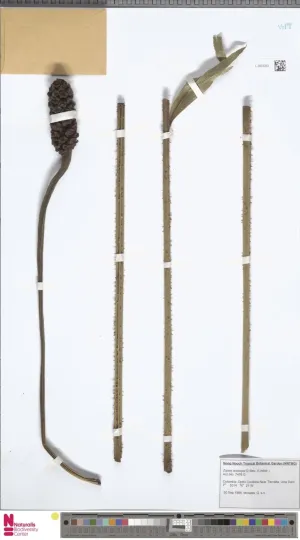
Description
Growing requirements
Zamia restrepoi is a distinct species within the Zamiaceae family, known for its elegant foliage and botanical rarity. As a member of the cycad order, it carries a deep evolutionary history, serving as a living link to prehistoric plant life.
Originating from the tropical regions of Colombia, this plant thrives in areas with consistent moisture and protected shade. In its natural habitat, it occupies the forest understory, where it is shielded from direct sunlight and harsh weather conditions.
When cultivating this species, providing a high-quality drainage system is non-negotiable. The soil must be gritty and porous, allowing water to pass through quickly to prevent the crown and roots from sitting in stagnant moisture, which is lethal to the plant.
Environmental conditions require a stable temperature range between 20°C and 28°C. Keeping the humidity levels above 60% is essential for maintaining healthy, deep green foliage and preventing the edges of the fronds from turning brown and brittle.
Fertilization should be handled with caution. Given its slow growth rate, a balanced, slow-release fertilizer applied at half-strength during the growing season is sufficient to support development without causing root burn or excessive, weak growth.
Main diseases and pests
The primary pathological threats to Zamia restrepoi are fungal root pathogens. These organisms target the vascular system of the caudex and roots, especially in poorly ventilated environments where moisture persists for too long on the soil surface.
Common horticultural pests, particularly scale insects and spider mites, are frequent challenges. Scale insects, in particular, can be difficult to remove once they establish themselves along the rachis of the leaves, requiring persistent monitoring and targeted care.
Biological control methods, such as the introduction of beneficial mites or neem oil applications, are generally preferred over harsh systemic insecticides. These natural methods help preserve the plant's delicate tissues while controlling pest populations effectively.
Environmental stress, such as exposure to cold drafts or improper light levels, can lower the plant's resilience. When a plant is stressed, it becomes significantly more susceptible to opportunistic bacterial infections that can cause rapid necrosis of the leaves.
Regular sanitation of the growing area and immediate isolation of any affected specimen are the most effective management strategies. By ensuring proper airflow and strictly controlling watering intervals, a grower can avoid the majority of disease-related issues.