
Zamia pygmaea
Zamia pygmaea
Description
Growing requirements
Zamia pygmaea is a distinct member of the Zamiaceae family, representing one of the smallest cycad species in the world. Its natural range is restricted to the Caribbean islands, primarily Cuba and Haiti, where it thrives in tropical, rocky soils.
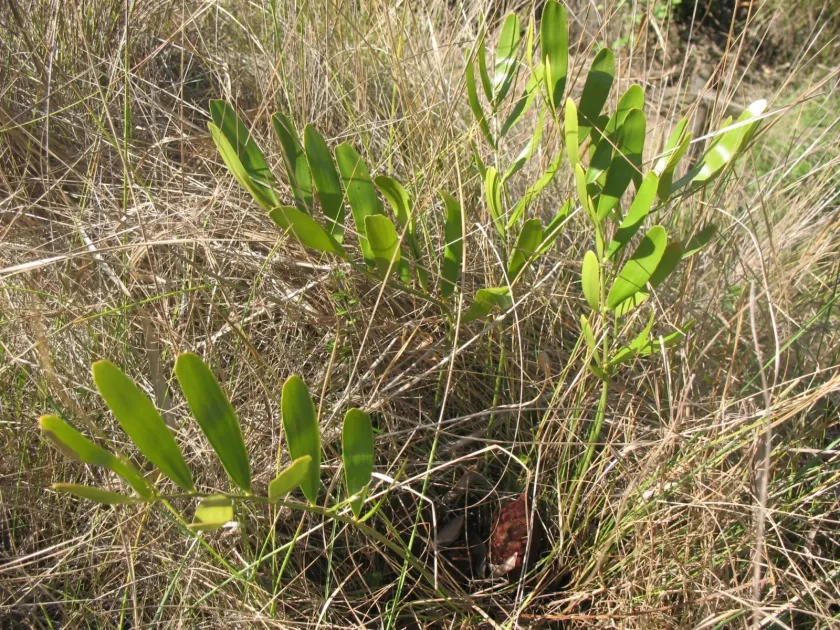
Botanically, the plant is characterized by a subterranean or partially exposed caudex and rigid, pinnate leaves. Its growth rate is exceptionally slow, often producing only one or two new leaves per growing season.
Regarding climate requirements, this species needs a consistently warm environment. It is not cold-hardy, and temperatures should ideally remain above 15 degrees Celsius throughout the year to ensure the plant's health.
Soil composition must prioritize drainage over water retention. A professional-grade mix for succulents or cacti, amended with extra pumice or perlite, is highly recommended to prevent any waterlogging in the root zone.
Light management is crucial for Zamia pygmaea. While it can survive in low-light environments, bright, indirect light promotes more compact and healthy foliage growth, which is essential for its ornamental value.
Main diseases and pests
The primary threat to the longevity of Zamia pygmaea is root rot caused by poor irrigation management. Excessive moisture in the potting medium quickly leads to tissue decay, starting from the caudex.
Pest infestations, particularly by scale insects and mealybugs, are frequent. These pests settle on the underside of leaves or in the crown, significantly weakening the plant over time.
Spider mites represent a secondary threat, particularly in environments with low relative humidity. Regular misting or monitoring of the environment can help mitigate the risk of these arachnid infestations.
Fungal leaf spots can occur if the foliage is kept excessively wet in a poorly ventilated area. Proper air circulation is necessary to keep the leaves dry and free from pathogens during the dormant phase.
- Monitor the soil moisture before each irrigation.
- Inspect the plant crown weekly for signs of pests.
- Avoid using heavy fertilizers that may cause root burn.
- Repot only when the root system fills the current container.
- Ensure containers have multiple drainage holes.