
Zamia pumila
Zamia pumila
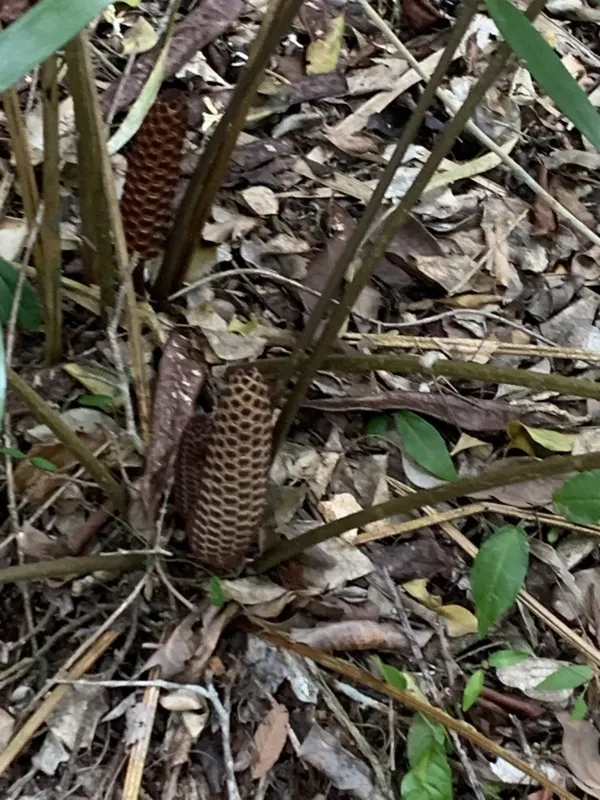
Description
Growing requirements
Zamia pumila is a unique member of the Zamiaceae family, primarily native to the Caribbean, Florida, and parts of the West Indies. It is a slow-growing, primitive cycad that possesses a woody, subterranean, or semi-exposed stem known as a caudex.
In its natural habitat, the plant thrives in rocky, sandy, or well-drained soils. This adaptability makes it a popular specimen for container gardening where soil drainage can be strictly controlled.
The cultural requirements for this plant include bright, indirect light. While it is tolerant of some sunlight, intense direct exposure during summer months often leads to scorching of the leaflets, reducing the aesthetic value of the plant.
Temperature management is crucial as Zamia pumila is not frost-tolerant. It performs best in a stable environment between 18°C and 26°C. In colder climates, it must be protected in greenhouses or indoor environments during winter.
The substrate must be highly porous. A typical mix includes coarse sand, peat moss, and perlite or pumice to ensure that water passes through quickly, preventing the anaerobic conditions that damage the roots.
Main diseases and pests
Root rot is the most significant threat to Zamia pumila. It is almost exclusively caused by overwatering or the use of heavy, water-retaining soils that do not allow the root system to breathe.
Common pests include scale insects and mealybugs. Due to the stiff, leathery texture of the leaves, these pests can be difficult to remove manually; systemic insecticides are often required for effective control.
Spider mites may infest the plant if it is kept in an environment with very low humidity. Regular cleaning of the leaves and ensuring adequate ambient moisture can help prevent these outbreaks.
Fungal leaf spots can occur if the foliage remains wet for extended periods. It is recommended to water the soil directly rather than overhead irrigation to maintain foliage health.
Prevention is the best strategy for managing diseases. Ensuring adequate airflow around the plant, coupled with a strict watering schedule, helps maintain the plant's natural resistance to pathogens.